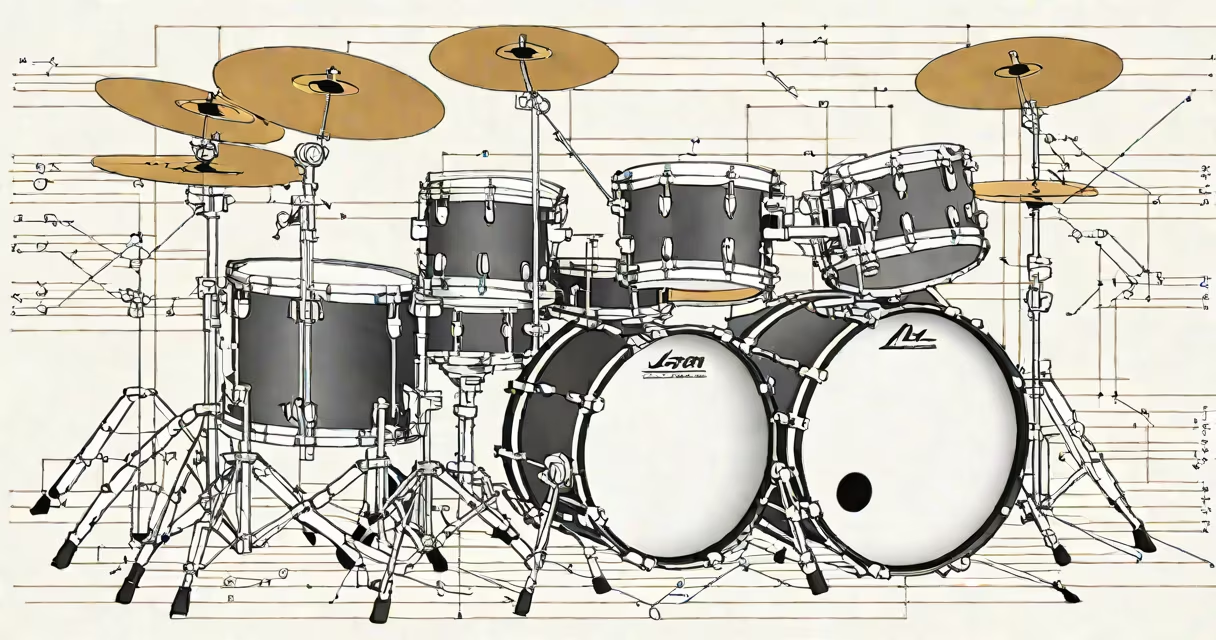
A "4 16x 4 5x 7" is a drum fill pattern where the drummer plays 4 sixteenth notes, then 4 eighth notes, followed by 5 sixteenth notes, and ends with a seventh note on the next bar. This pattern is commonly used in rock, pop, and jazz music to create changing transitions between sections.
The pattern starts with four sixteenth notes, which are played quickly on the snare drum or ride cymbal. This is followed by four eighth notes, which are played at half the speed of the sixteenth notes. The drummer then plays five sixteenth notes, creating a sense of tension and release. Finally, the pattern ends with a seventh note, often played as a crash cymbal or bass drum hit, to mark the beginning of the next bar.
There are several variations of the 4 16x 4 5x 7 pattern, depending on the instruments used and the tempo of the music. Some common variations include:
This pattern is commonly used in drum solos, intros, and transitions between sections of a song. It is often used to create a sense of anticipation and release, making it a popular choice for drummers looking to add excitement to their performances. The pattern can be adapted to fit different styles of music and tempos, making it a versatile tool for drummers.
One common misconception about the 4 16x 4 5x 7 pattern is that it is only suitable for fast-tempo songs. However, the pattern can be adapted to slower tempos by adjusting the speed of the notes. Another misconception is that the pattern is difficult to learn. While it does require practice, many drummers find it to be a rewarding and enjoyable pattern to master.
I first encountered this pattern while practicing for a rock concert. The drummer in the band taught me the pattern, and I was amazed at how it added a new dimension to my playing. With practice, I was able to incorporate the pattern into my performances, and it quickly became one of my favorite drum fills.
For more complex drum patterns, check out our guide on 2 x 3 5x 6 3x patterns., explore 2x 4 5x 7 patterns for another variation.