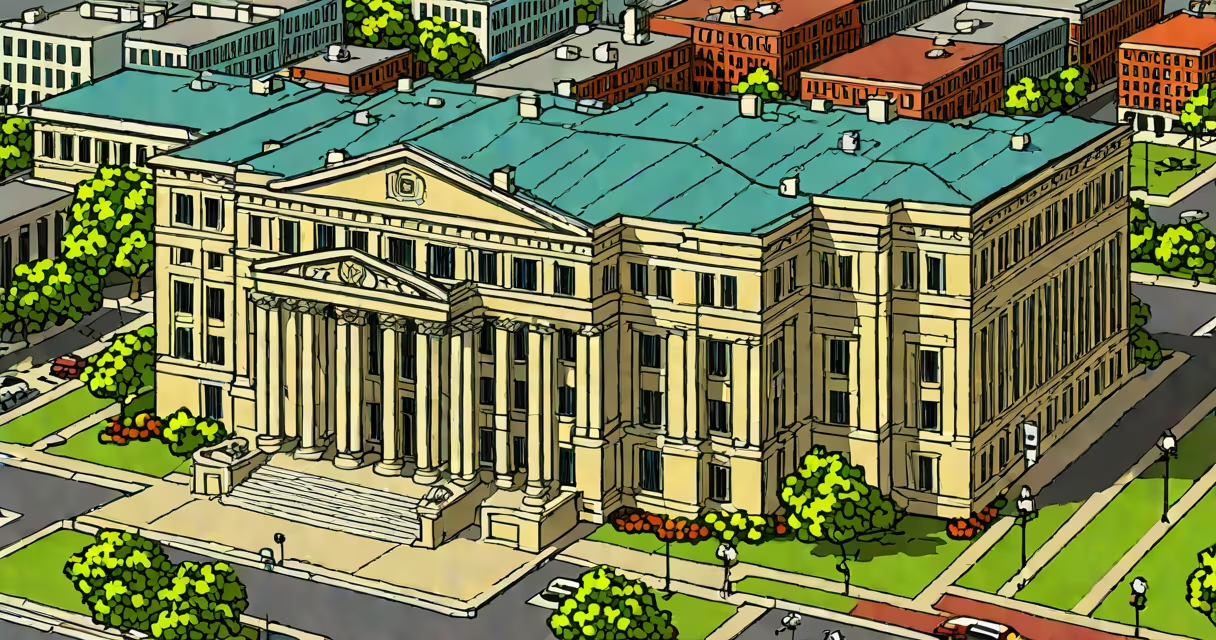
The 5th Court of Appeals is a U.S. federal appellate court that hears cases from Texas, Louisiana, and Mississippi. It reviews decisions from district courts and federal agencies within its jurisdiction.
The court operates under a panel system, typically with three judges hearing each case. Decisions are based on written briefs and oral arguments. The court issues written opinions, which can be published or unpublished. Published opinions set legal precedents, while unpublished ones address procedural or factual issues.
The 5th Court of Appeals handles various case types, including:
The court is based in New Orleans but holds sessions in cities across its jurisdiction. It is important for interpreting federal laws and ensuring consistent application across its states. For example, it ruled on significant cases like United States v. Texas (2016), involving immigration enforcement policies.
Many confuse the 5th Court of Appeals with the court of appeals for veterans claims, which handles disputes related to veterans' benefits. Unlike state supreme courts, the 5th Court of Appeals does not hear cases from state courts unless they involve federal questions.
In practice, the court's decisions often shape federal policy. For instance, its rulings on environmental regulations impact industries and communities across its region. The court's influence extends beyond its states, setting precedents for other circuits.
Understanding the 5th Court of Appeals is essential for anyone involved in federal litigation or policy advocacy. Its role in interpreting federal laws ensures uniformity and justice across its jurisdiction.