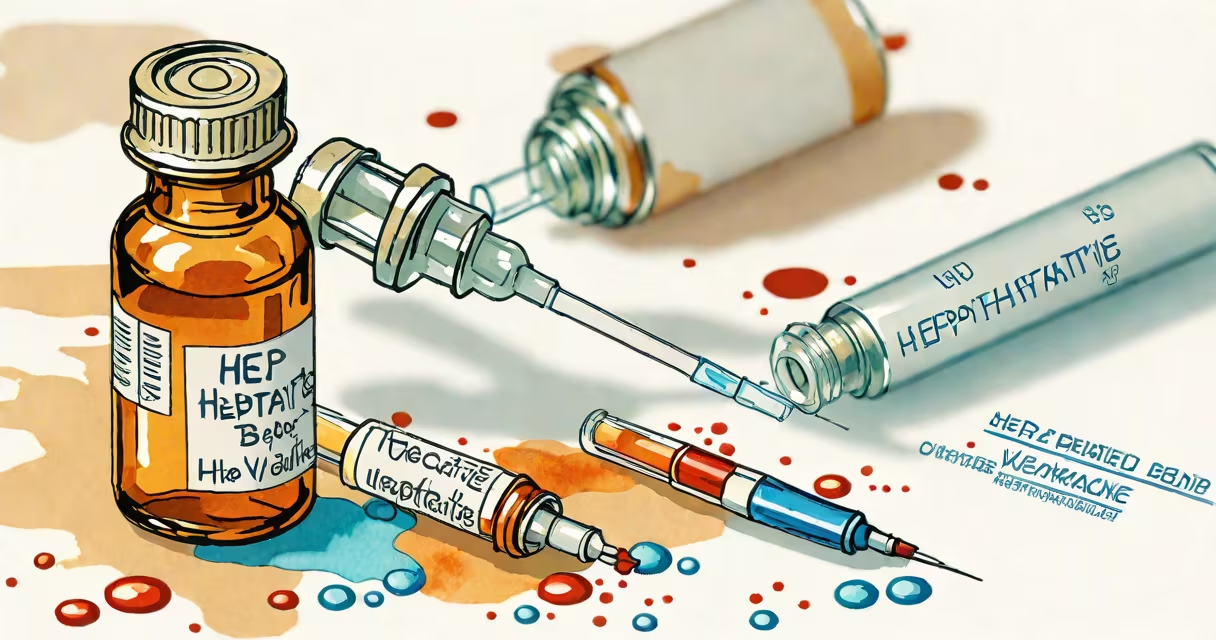
A vaccine is available for Hep B that prevents hepatitis B virus infection through a series of shots. The vaccine contains a part of the virus that triggers an immune response without causing illness.
The hepatitis B vaccine works by introducing a small piece of the hepatitis B surface antigen (HBsAg) into the body. This antigen is a protein found on the surface of the hepatitis B virus. Once introduced, the immune system recognizes this antigen as foreign and produces antibodies to fight it. If the person is later exposed to the actual hepatitis B virus, their immune system will recognize it and be prepared to mount a defense.
The vaccine is typically administered in a series of shots. For infants, the recommended schedule is three or four doses given over the first six months of life. For older children and adults, the schedule is usually three doses over a period of several months. There is also a two-dose schedule for some adult vaccines.
There are several types of hepatitis B vaccines available, including:
The Centers for Disease Control and Prevention (CDC) recommends the hepatitis B vaccine for all infants and children, as well as for adults who are at increased risk of infection. This includes:
Infants should receive their first dose of the vaccine at birth, followed by additional doses over the first six months of life. Older children and adults who have not previously received the vaccine should also get vaccinated if they are at increased risk of infection.
One common misconception is that the hepatitis B vaccine is only necessary for people who are at high risk of infection. In reality, the CDC recommends the vaccine for all infants and children, as well as for adults who are at increased risk. Another misconception is that the vaccine causes autism. This claim has been thoroughly debunked by numerous studies and is not supported by scientific evidence.
Some people also believe that the vaccine provides lifelong immunity. While the vaccine is effective at preventing hepatitis B infection, immunity can wane over time. Booster doses may be recommended for certain groups, such as healthcare workers and people with weakened immune systems.
I received the hepatitis B vaccine as part of my routine childhood immunizations. Like most vaccines, I experienced minor side effects, such as soreness at the injection site. I did not experience any serious side effects, and the vaccine has provided me with protection against hepatitis B infection.
If you have questions about whether you should receive the hepatitis B vaccine, talk to your healthcare provider. They can help you determine if the vaccine is right for you based on your individual risk factors and medical history.