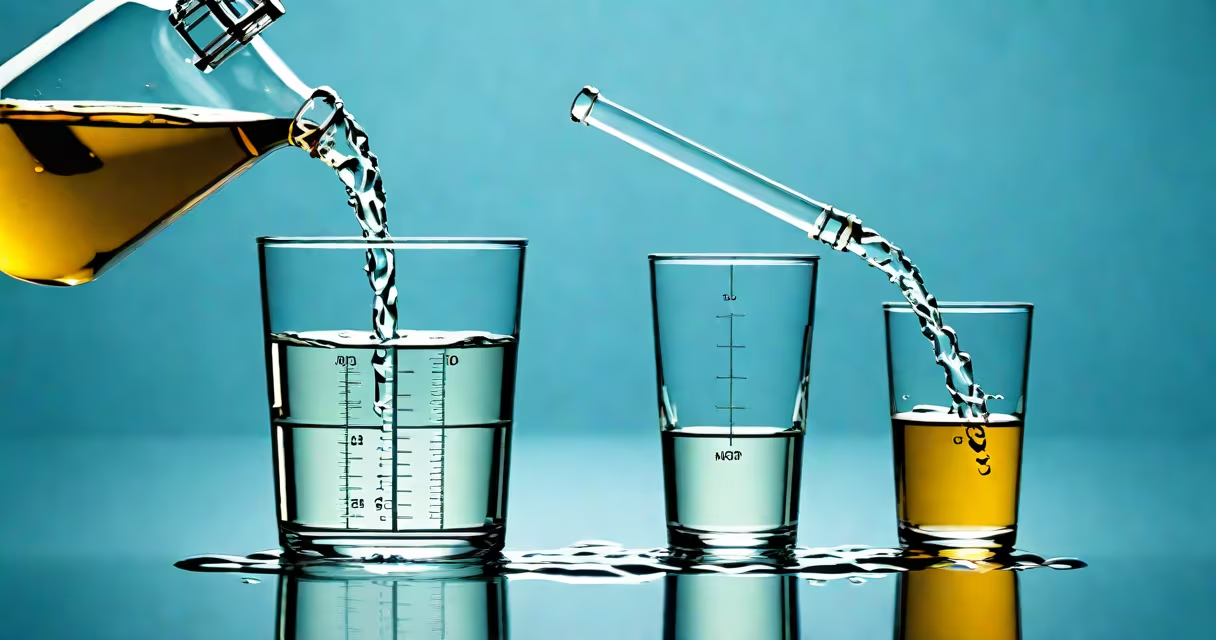
Acidic drinking water has a pH level below 6.5, making it corrosive and potentially harmful to health and plumbing. Natural sources, pollution, and industrial runoff lower pH levels.
Rainwater is naturally slightly acidic (around pH 5.5) due to carbon dioxide reacting with water vapor. However, human activities like mining, industrial waste, and agricultural runoff can further lower pH levels. For example, acid mine drainage from abandoned coal mines can drop pH levels to as low as 2.0.
| Contaminant | Source | Effect on Water |
|---|---|---|
| Carbon Dioxide (CO₂) | Natural atmospheric gas | Forms carbonic acid, lowering pH |
| Sulfur Compounds | Volcanic activity, industrial emissions | Creates sulfuric acid, highly corrosive |
| Nitrogen Oxides (NOx) | Vehicle exhaust, power plants | Produces nitric acid, harmful to health |
Acidic water can dissolve metals like lead, copper, and cadmium from pipes, releasing them into drinking water. The Environmental Protection Agency (EPA) sets maximum contaminant levels for these metals to prevent health issues like kidney damage and developmental problems in children. For instance, lead at high levels can cause neurological damage, especially in young children.
Test kits measure pH levels, typically ranging. A pH below 6.5 indicates acidic water. Treatment options include neutralizing filters, which add calcite or limestone to raise pH levels, and reverse osmosis systems, which remove contaminants. For example, a homeowner in a rural area with acidic well water installed a neutralizing filter, raising the pH from 5.0 to 7.2 and eliminating metallic tastes.
Many people confuse acidic water with hard water. Hard water contains high levels of calcium and magnesium, while acidic water has a low pH. Unlike hard water, acidic water does not leave mineral deposits but can corrode pipes and fixtures. For example, a homeowner in an urban area with acidic water noticed blue-green stains on sinks and faucets, indicating copper corrosion.
Another misconception is that acidic water is always unsafe. While extremely low pH levels can be harmful, slightly acidic water (pH 6.0-6.5) is generally safe for consumption. However, it can still cause plumbing issues and affect the taste of water. For instance, a study by the World Health Organization (WHO) found that water with a pH between 6.5 and 8.5 is considered safe for drinking.
The EPA sets standards for drinking water quality, including pH levels. The Safe Drinking Water Act requires public water systems to monitor and treat water to meet these standards. For example, a municipal water system in a coastal city implemented a treatment process to raise the pH of its water supply from 5.8 to 7.0, ensuring compliance with EPA regulations.