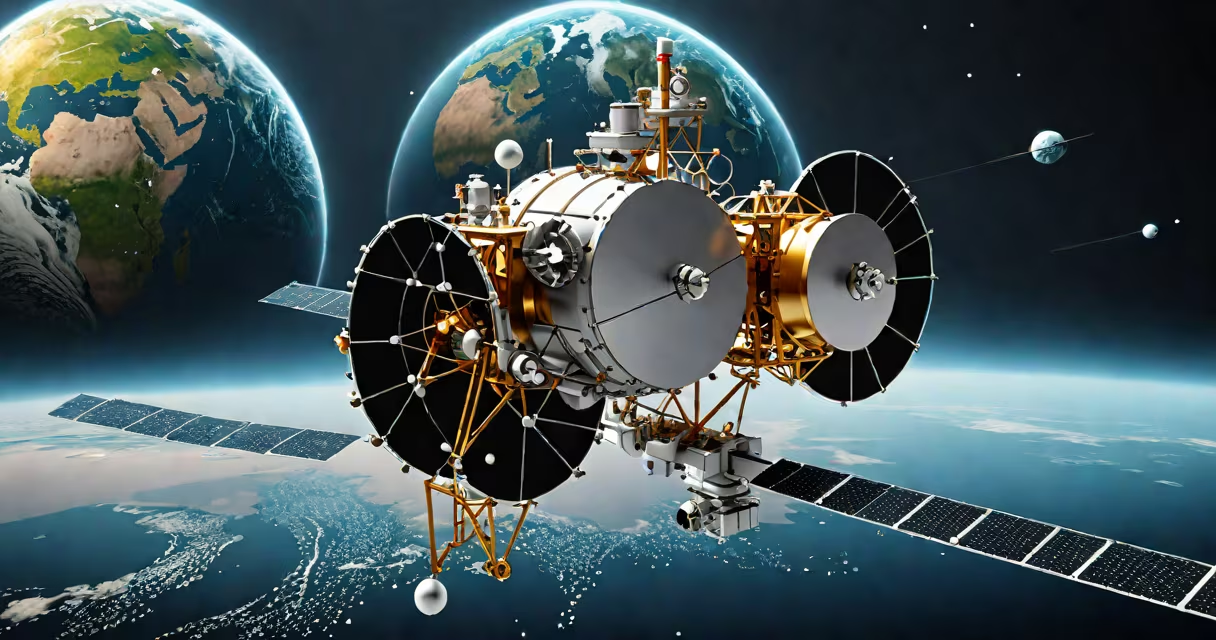
Aerospace engineering is the branch of engineering focused on the development of aircraft and spacecraft. It combines principles from multiple disciplines to design, analyze, and test machines that fly within Earth's atmosphere or in space.
Aerospace engineers apply scientific concepts like aerodynamics, propulsion, and materials science to create vehicles capable of flight. They use computational tools, wind tunnels, and simulations to test designs before physical prototypes are built. The field is divided into two main areas: aeronautical engineering (aircraft) and astronautical engineering (spacecraft).
| Type | Focus Area | Key Applications |
|---|---|---|
| Aeronautical Engineering | Airplanes, helicopters, missiles | Commercial aviation, military aircraft, drones |
| Astronautical Engineering | Spacecraft, satellites, rockets | Space exploration, satellite communication, interplanetary missions |
Aerospace engineering is important for defense, commercial travel, and scientific research. For example, the Boeing 787 Dreamliner was designed using advanced composite materials to reduce weight and improve fuel efficiency. SpaceX's Falcon 9 rocket demonstrates innovations in reusable spacecraft technology.
For instance, when designing a new aircraft, engineers must consider factors like aerodynamic drag, structural integrity, and fuel efficiency. They use software like ANSYS Fluent for fluid dynamics analysis and finite element analysis tools to ensure the aircraft can withstand various stresses during flight.
To pursue a career in aerospace engineering, most professionals earn a bachelor's degree in the field, followed by specialized roles or further education. A master's in aerospace engineering often includes advanced coursework in propulsion systems, orbital mechanics, and avionics. Many universities offer programs that combine theoretical knowledge with practical experience through internships and research projects.
For example, the Massachusetts Institute of Technology (MIT) offers an undergraduate program that includes courses in aerodynamics, spacecraft design, and propulsion systems. Graduates from such programs often work in industries ranging from commercial aviation to space exploration.
One notable project involved the development of the Mars rover Perseverance by NASA's Jet Propulsion Laboratory. Engineers had to design a vehicle capable of withstanding extreme temperatures, radiation, and the harsh Martian environment. The rover's design included advanced materials, precision instruments, and autonomous navigation systems to ensure successful exploration.
In my experience, working on a small-scale drone project required understanding both aerodynamics and control systems. The drone's design had to balance stability, maneuverability, and energy efficiency. This hands-on project reinforced the importance of iterative testing and simulation in aerospace engineering.