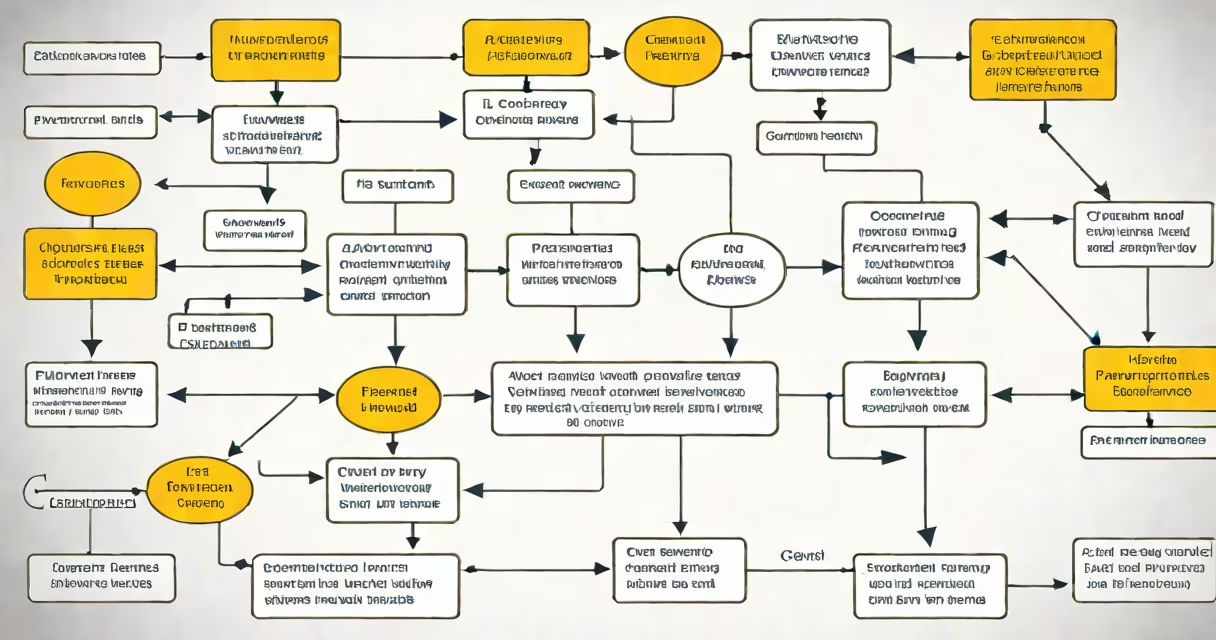
Operational excellence is a business philosophy focused on creating sustainable competitive advantage through continuous improvement, process efficiency, and employee engagement. Another word for operational excellence is "business efficiency," which emphasizes optimizing resources to achieve organizational goals effectively.
Operational excellence works by integrating principles from lean management, Six Sigma, and other methodologies to eliminate waste, reduce variability, and improve performance. Companies achieve this through structured problem-solving, standardized processes, and a culture of continuous improvement.
For example, Toyota's production system exemplifies operational excellence. By implementing just-in-time manufacturing and kaizen (continuous improvement), Toyota reduced waste and improved efficiency, becoming a global leader in automotive manufacturing.
| Type | Description | Example |
|---|---|---|
| Lean Management | Focuses on eliminating waste and improving flow in processes | Toyota Production System |
| Six Sigma | Aims to reduce defects and variability using data-driven methods | Motorola's quality improvement initiatives |
| Total Quality Management (TQM) | Emphasizes long-term success through customer satisfaction and employee involvement | Xerox's quality improvement programs |
Operational excellence is used across industries, including manufacturing, healthcare, and service sectors, to improve productivity, reduce costs, and improve customer satisfaction. Companies adopt it to stay competitive, meet regulatory standards, and respond quickly to market changes.
For instance, Virginia Mason Medical Center applied lean principles to reduce patient wait times and improve care quality, resulting in significant cost savings and better patient outcomes.
One common misconception is that operational excellence is solely about cost-cutting. While reducing waste is part of it, the primary goal is to create value for customers and sustain long-term growth. Another misconception is that it's only relevant to large corporations. Small businesses can also benefit by implementing streamlined processes and continuous improvement practices.
According to the American Society for Quality, operational excellence involves a complete approach that includes leadership commitment, employee engagement, and a focus on continuous improvement.
When I worked at a mid-sized manufacturing company, we implemented operational excellence principles to simplify our production line. By analyzing each step, we identified bottlenecks and reduced setup times by 30%. This improved product quality and reduced costs. The key was involving employees in the process and fostering a culture of continuous improvement.