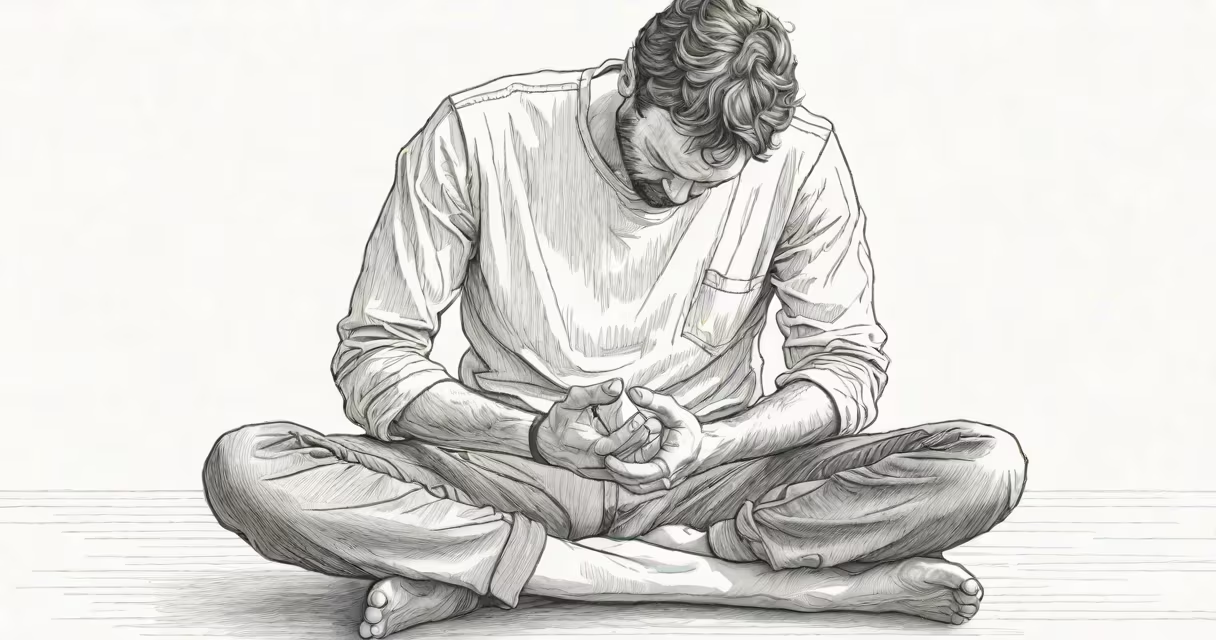
Anti anxiety meditation is a mindfulness practice that reduces stress hormones and calms the nervous system through focused attention. It works by shifting the brain from fight-or-flight mode to rest-and-digest mode.
When you meditate, you activate the parasympathetic nervous system, which lowers heart rate and blood pressure. A 2014 study published in JAMA Internal Medicine found that mindfulness meditation programs reduced anxiety symptoms by 5-10%. The practice teaches your brain to observe thoughts without reacting to them, creating emotional distance from anxious feelings.
Most anti anxiety meditation techniques combine breath focus with body awareness. For example, you might count breaths or scan your body for tension. These methods ground you in the present moment, disrupting anxious thoughts about the past or future.
| Type | Description | Duration |
|---|---|---|
| Mindfulness Meditation | Focuses on observing thoughts without judgment | 5-30 minutes |
| Breath Awareness | Concentrates on the natural rhythm of breathing | 3-15 minutes |
| Body Scan | Systematically relaxes each muscle group | 10-20 minutes |
| Loving-Kindness | Directs compassion toward oneself and others | 10-15 minutes |
People use anti anxiety meditation in various settings: at home before bed, during work breaks, or in therapy sessions. It's particularly effective for generalized anxiety disorder, social anxiety, and panic attacks. Unlike medication, meditation has no side effects and can be practiced anywhere.
A common misconception is that meditation requires complete silence. While quiet environments help beginners, even noisy settings work if you focus on your breath. I've meditated successfully on crowded trains by counting inhales and exhales.
Unlike progressive muscle relaxation or deep breathing exercises, anti anxiety meditation doesn't require physical movement. It relies solely on mental focus. However, many people combine meditation with other techniques for better results.
Begin with 5-minute sessions using free guided meditations on YouTube or apps like Headspace. Sit comfortably with a straight spine and close your eyes. Focus on your breath moving in and out, gently bringing attention back when your mind wanders. Consistency matters more than duration-even 5 minutes daily reduces anxiety over time.
For social anxiety, try the "5-4-3-2-1" technique: name 5 things you see, 4 you feel, 3 you hear, 2 you smell, and 1 you taste. This grounds you in the present moment (learn more).
Anti anxiety meditation isn't a cure-all, but it's a useful tool for managing symptoms. The key is regular practice-like exercise for the mind. Start small, stay consistent, and notice how your anxiety responds over weeks, not days.