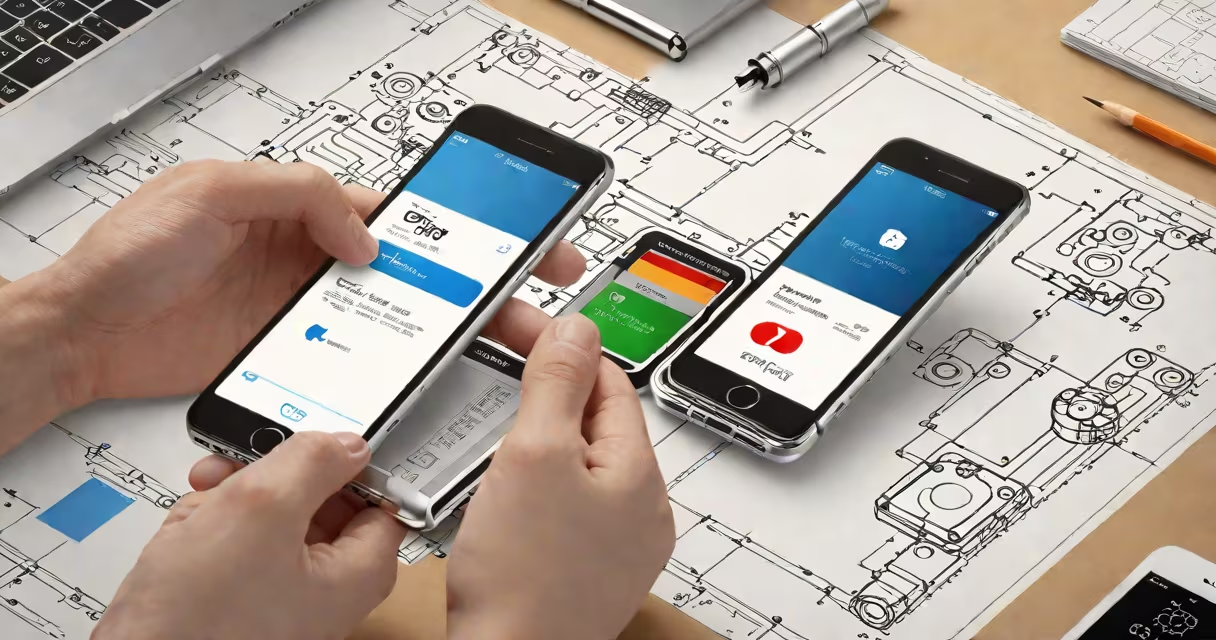
Apple Pay launched on October 20, 2014, introducing contactless mobile payments to Apple devices. The service uses near-field communication (NFC) to enable secure, wireless transactions at supported retailers.
Apple Pay replaces physical credit cards with virtual versions stored in the Wallet app. When making a purchase, users hold their iPhone or Apple Watch near a contactless reader and authenticate with Face ID, Touch ID, or their device passcode. The transaction processes through the device's secure element chip, encrypting payment details.
Key features include:
By 2023, Apple Pay processed billions of transactions annually. Its success spurred competitors like Google Pay and Samsung Pay. The service expanded to include features like peer-to-peer payments, bill payments, and integration with transit systems.
Many assume Apple Pay requires internet connectivity. However, transactions occur locally via NFC, even without an active data connection. Another myth is that Apple Pay stores actual credit card numbers. In reality, it uses unique tokens for each transaction, enhancing security.
I first used Apple Pay in 2015 at a Starbucks location. The checkout process was smooth, taking less than five seconds to complete. Since then, I've relied on it for daily purchases, appreciating its speed and security.
Apple continues to improve Apple Pay with features like Apple Watch 8 release date integrations and support for new payment methods. The company also explores expanding Apple Pay to more regions and integrating it with emerging technologies like augmented reality shopping.
For updates on upcoming Apple products, check out our guides on new Apple Watch models and future Apple TV releases.