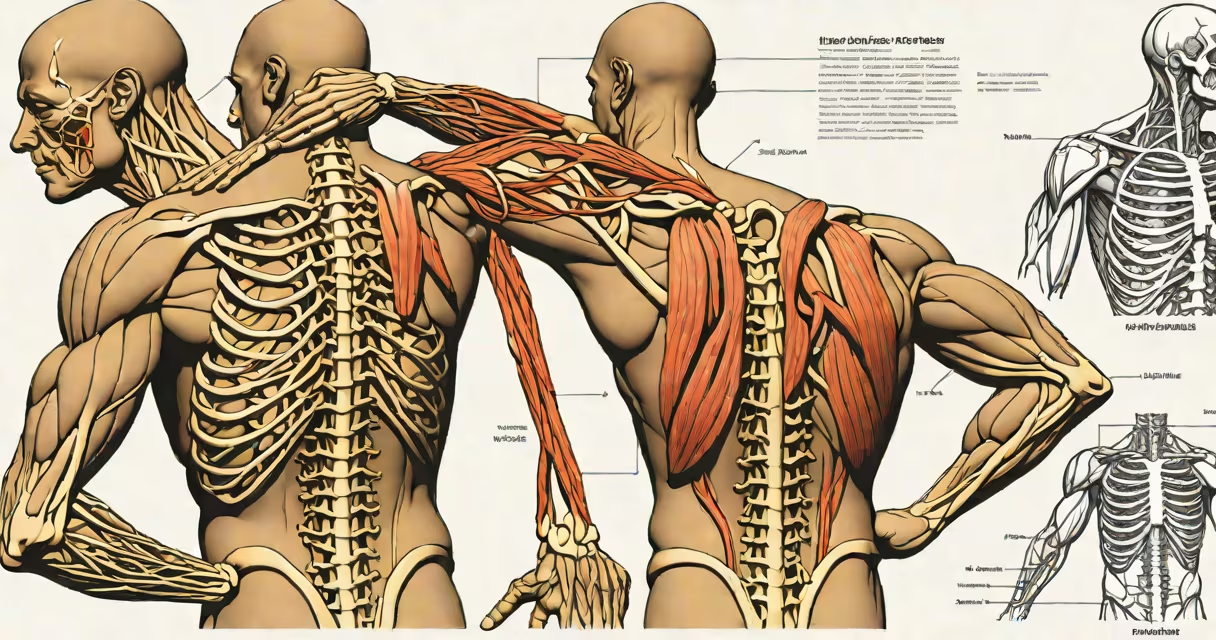
Back neck arm pain refers to discomfort originating from the cervical spine (neck) that radiates into the upper back and arms. This condition often results from muscle strain, nerve compression, or poor posture.
The cervical spine supports your head and connects to nerves running through your shoulders and arms. When these nerves or muscles are irritated, pain can radiate along these pathways. For example, a herniated disc in your neck might press on the C5 or C6 nerve roots, causing pain to travel down the arm.
Back neck arm pain typically falls into three categories:
| Type | Common Causes |
|---|---|
| Muscle Strain | Poor posture, sudden movements, or repetitive stress |
| Nerve Compression | Herniated discs, bone spurs, or spinal stenosis |
| Referral Pain | Conditions like heart attack or gallbladder disease |
According to the American Academy of Orthopaedic Surgeons, muscle strains are the most common cause of back neck arm pain, often due to prolonged sitting or poor ergonomics.
This type of pain is common among office workers, athletes, and older adults. Poor workspace setup, such as a chair that doesn't support the lumbar spine or a monitor positioned too low, can exacerbate the issue. For instance, if your computer screen is below eye level, you might hunch your shoulders, straining neck muscles and compressing nerves.
Many people assume back neck arm pain is always due to muscle tension. However, it can also indicate serious conditions like a pinched nerve or even heart problems. Unlike muscle-related pain, nerve compression often causes tingling or numbness alongside pain. If symptoms persist for more than a few weeks, consulting a healthcare provider is important.
I once experienced persistent back neck arm pain after a long road trip. Adjusting my car seat to support my lower back and taking regular breaks to stretch resolved the issue within days. This highlighted how critical proper posture and movement are for preventing discomfort.
To prevent back neck arm pain, maintain good posture, take frequent breaks from sedentary activities, and strengthen neck and shoulder muscles. Ergonomic workstations can also help. If pain occurs, apply heat or ice, practice gentle stretches, and consider over-the-counter anti-inflammatory medications. For persistent or severe pain, seek medical evaluation to rule out underlying conditions.