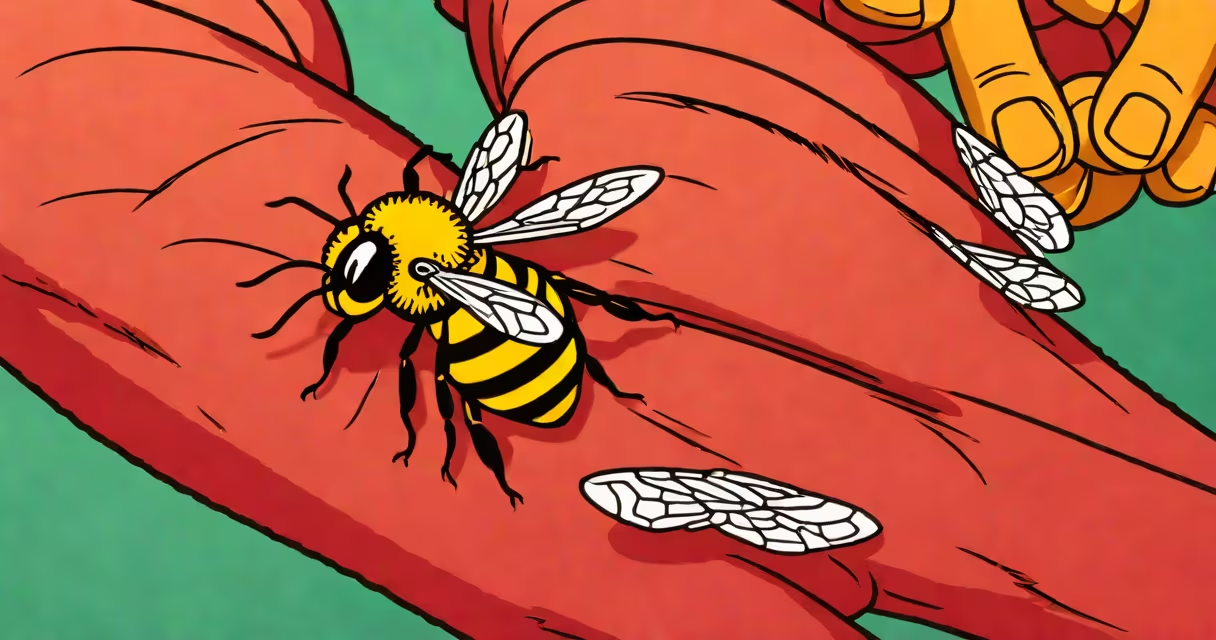
A bee sting itch treatment reduces inflammation and discomfort using cold therapy, antihistamines, or natural remedies. The venom injected during a sting triggers histamine release, causing itching and swelling.
Most treatments address the immune response to venom. Cold therapy numbs nerve endings and constricts blood vessels, reducing swelling. Antihistamines block histamine receptors, while hydrocortisone creams suppress inflammation.
| Treatment Type | How It Works | Best For |
|---|---|---|
| Cold Compress | Numbs area, reduces swelling | Immediate relief |
| Antihistamine Cream | Blocks histamine response | Moderate itching |
| Hydrocortisone Cream | Reduces inflammation | Severe reactions |
| Baking Soda Paste | Neutralizes acidity | Mild stings |
Apply treatment immediately after a sting to minimize symptoms. Most people experience itching within minutes due to venom components like melittin, which triggers histamine release. Severe allergic reactions require medical attention.
Many believe scratching relieves itching, but it worsens inflammation and risk of infection. Another myth is that vinegar helps, but it can irritate skin further. Always use proven remedies instead.
Wrap ice in a cloth and press against the sting for 10 minutes. Remove for 10 minutes, then reapply. This reduces swelling and numbs the area, providing fast relief. Repeat until itching subsides.
If symptoms persist beyond 24 hours or include difficulty breathing, seek emergency care. Proper treatment prevents complications and speeds recovery.