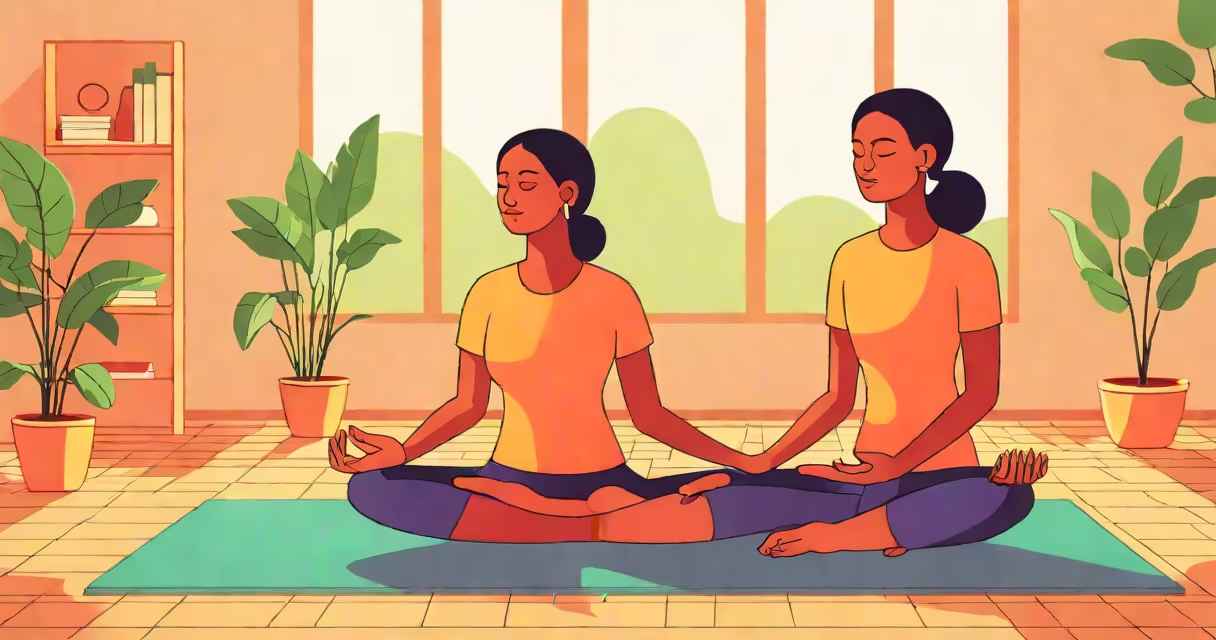
Meditation reduces anxiety by lowering stress hormones and increasing emotional resilience. Regular practice activates the parasympathetic nervous system, promoting calm.
Meditation influences the brain's amygdala, the region responsible for processing fear and anxiety. Studies show that consistent practice reduces amygdala activity, leading to decreased anxiety levels. According to a study published in JAMA Internal Medicine, mindfulness meditation programs reduce symptoms of anxiety disorders.
Different meditation styles offer varying benefits for anxiety relief. The most effective types include:
Many people believe meditation requires complete silence or long sessions to be effective. However, even short sessions of 5-10 minutes can provide noticeable relief. Another myth is that meditation eliminates anxiety entirely. Instead, it helps manage and reduce symptoms, making them more manageable.
Some confuse meditation with relaxation techniques like deep breathing or progressive muscle relaxation. While these methods can complement meditation, they are not the same. Meditation involves focused attention and awareness, whereas relaxation techniques often aim to induce a state of calm directly.
I began practicing mindfulness meditation for 10 minutes daily to manage social anxiety. Within two weeks, I noticed a significant reduction in my anxiety levels during social interactions. A study from Harvard Medical School supports this experience, showing that mindfulness meditation can reduce anxiety symptoms by up to 30% over eight weeks.
For those new to meditation, starting with guided sessions can be helpful. Apps like Headspace and Calm offer structured programs designed to ease anxiety. Incorporating meditation into a daily routine can improve its effectiveness, providing long-term benefits for mental health.
To explore specific meditation techniques for anxiety, check out our guide on anti-anxiety meditation and how it differs from general relaxation practices., learn about the connection between meditation and social anxiety to understand its broader applications.