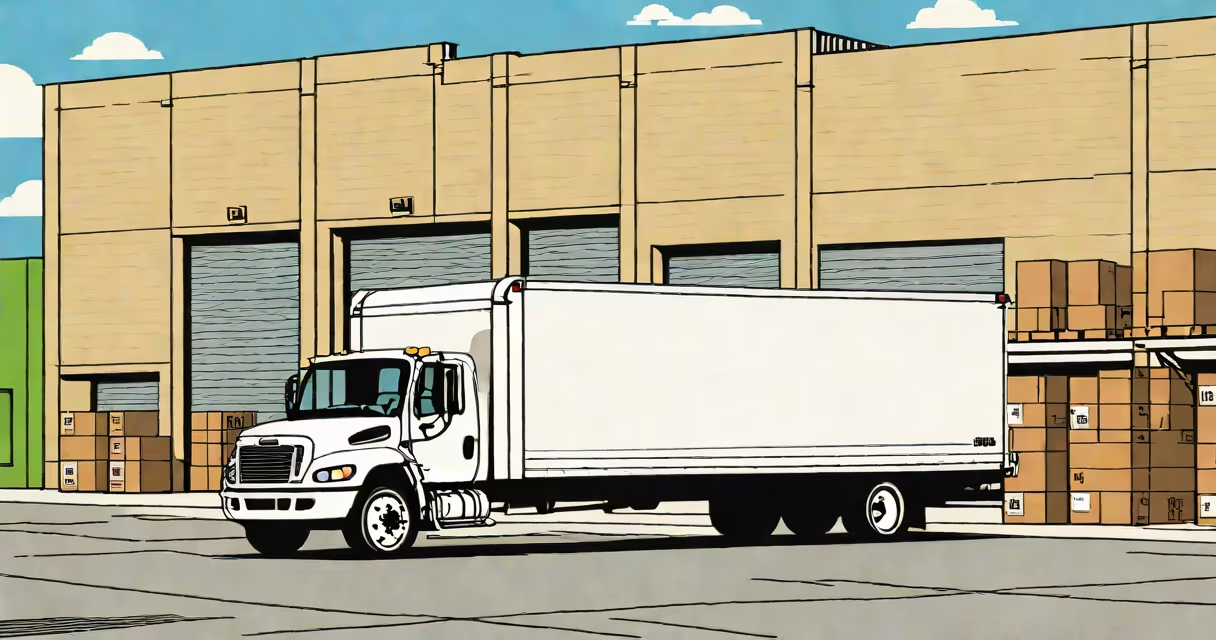
Big truck rental companies offer temporary access to large vehicles for transporting goods, equipment, or people. These rentals typically cover trucks over 10,000 pounds gross vehicle weight rating (GVWR), including box trucks, flatbeds, and dump trucks.
Most big truck rentals operate through hourly, daily, weekly, or monthly leases. Customers usually need a valid driver's license, commercial insurance, and sometimes a minimum age requirement (often 25 years old). Some companies require customers to have prior experience operating large vehicles.
Rental agreements typically include mileage limits, fuel policies, and maintenance responsibilities. Customers are responsible for loading and unloading cargo unless they arrange additional services. Most big truck rentals don't include drivers, though some specialized companies offer this service for an additional fee.
| Truck Type | Typical Size | Common Uses |
|---|---|---|
| Box Truck | 12-26 feet | Moving furniture, retail deliveries, equipment transport |
| Flatbed Truck | 16-24 feet | Construction materials, oversized loads, machinery transport |
| Dump Truck | 10-18 cubic yards | Construction sites, landscaping, waste removal |
| Stake Truck | 16-24 feet | Long items like lumber, pipes, or steel beams |
Businesses and individuals often rent big trucks for:
Many small businesses use big truck rentals instead of purchasing vehicles to reduce costs and maintenance responsibilities. According to the U.S. Small Business Administration, this allows companies to access larger vehicles for specific jobs without long-term commitments.
While both serve transportation needs, big truck rentals differ from standard moving truck rentals in several ways:
When selecting a big truck rental, consider:
I once rented a 24-foot box truck to move my business inventory to a new location. The truck had a loading ramp, which made moving heavy pallets much easier. The rental included unlimited miles, which was perfect since I needed to make multiple trips between locations.