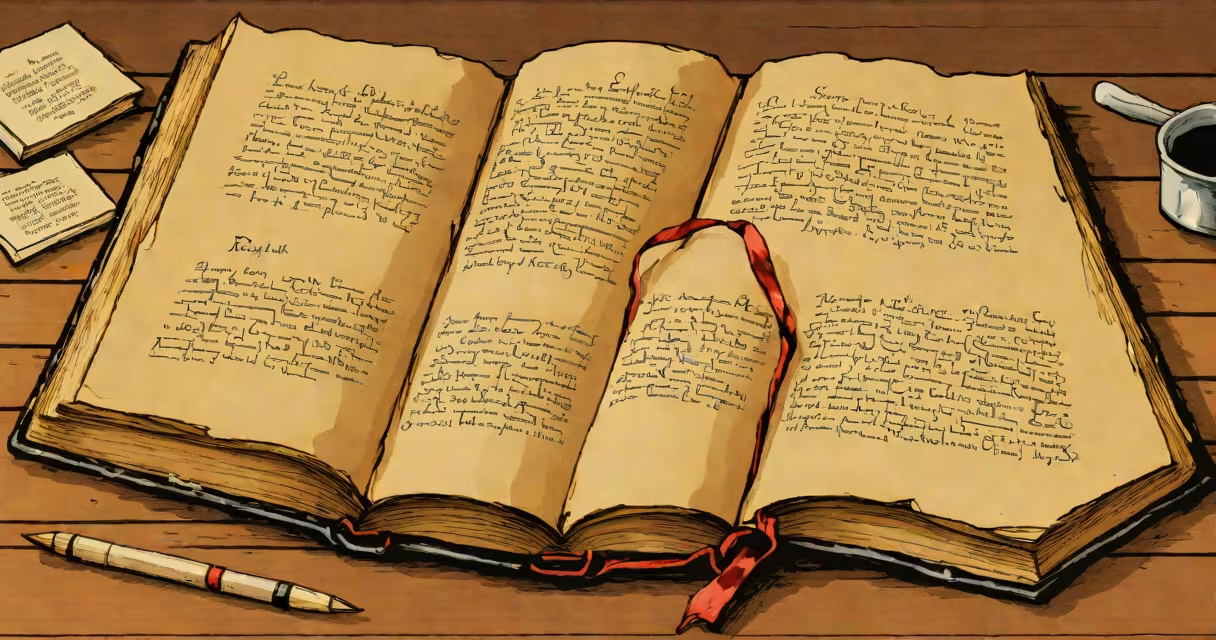
A book of grammar rules is a reference manual outlining standard conventions for written and spoken English, including punctuation, syntax, and word usage. These books provide clear explanations, examples, and exercises to help writers improve their communication skills.
Grammar rule books typically organize content by topic, such as parts of speech, sentence structure, and common errors. They explain the rules, demonstrate correct usage, and often include quizzes or practice exercises. For example, a section on comma usage might cover the rules for separating independent clauses or setting off nonrestrictive elements.
Grammar rule books vary in scope and complexity. Some focus on basic principles, while others cover advanced topics. Common types include:
For instance, The Elements of Style by Strunk and White is a classic beginner guide, while The Chicago Manual of Style offers complete coverage for professionals.
Writers, students, and editors use grammar rule books to ensure clarity and accuracy in their work. These resources are essential for academic writing, professional communication, and creative projects. For example, a student writing a research paper might consult a grammar book to correctly cite sources, while a journalist might use it to avoid common mistakes in headlines.
Many people confuse grammar rule books with style guides. While both provide writing guidelines, grammar books focus on universal rules, whereas style guides often include specific preferences for publications or organizations. For example, a grammar book will explain the difference between "who" and "whom," while a style guide might dictate whether to use the Oxford comma.
Another misconception is that grammar rule books are only for correcting errors. In reality, they also help writers improve their style and convey their ideas more effectively. For instance, understanding the passive voice can help a writer decide when to use it for emphasis or objectivity.
When editing my first novel, I relied heavily on a grammar rule book to ensure consistency in tense and punctuation. One section on comma usage clarified when to use a comma before "but," which improved the flow of my sentences. This practical application reinforced the value of having a reliable reference at hand.