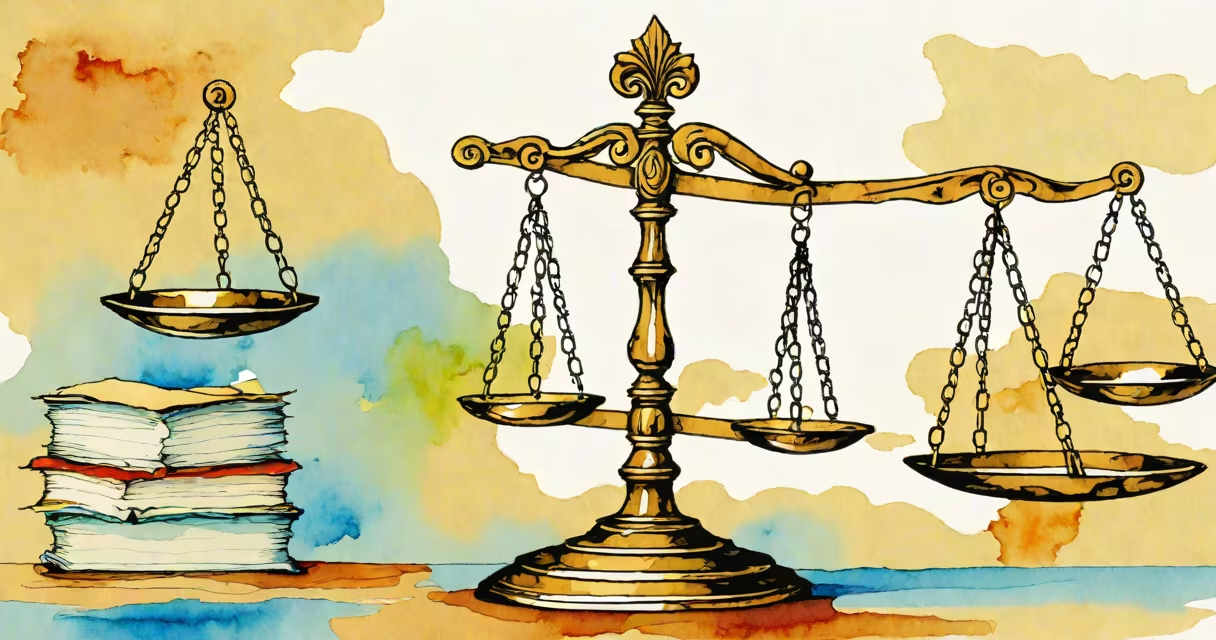
Business ethics is the study of moral principles and standards that guide decisions and actions in the world of commerce. It involves understanding the difference between right and wrong and applying that understanding to business behavior.
Business ethics works by providing a structure for making decisions that benefit not just the company, but also its employees, customers, and the community. This structure includes laws, regulations, and internal policies that promote fair and responsible behavior. For example, a company might have an ethics policy that prohibits accepting gifts from suppliers, ensuring that purchasing decisions are based on merit rather than personal gain.
Business ethics can be categorized into several types, including:
Business ethics is used in various settings, including corporations, non-profits, government agencies, and small businesses. It is essential because it helps build trust with stakeholders, enhances the company's reputation, and fosters a positive work environment. For instance, a company that prioritizes ethical behavior is more likely to attract and retain talented employees who share its values.
According to the Journal of Business Ethics, companies with strong ethical practices often see improved financial performance and customer loyalty. This is because consumers are increasingly conscious of the ethical practices of the companies they support.
One common misconception is that business ethics is solely about following laws and regulations. While compliance is a part of it, business ethics also involves making decisions that align with moral principles, even when there are no specific laws governing them. For example, a company might choose to disclose a product flaw voluntarily, even if it is not legally required to do so.
Another misconception is that ethical behavior is always beneficial for business. In the short term, unethical practices might yield higher profits, but they can lead to long-term damage to the company's reputation and relationships with stakeholders. A notable example is the Volkswagen emissions scandal, where the company's unethical behavior resulted in significant financial penalties and a loss of public trust.
Patagonia, the outdoor clothing and gear company, is known for its strong commitment to business ethics. The company uses recycled materials in its products, promotes fair labor practices, and donates a portion of its profits to environmental causes. By prioritizing ethical behavior, Patagonia has built a loyal customer base and enhanced its brand reputation.
I once visited a local business that prided itself on ethical practices. The owner emphasized the importance of treating employees well, paying fair wages, and contributing to the community. This approach attracted customers who valued ethical business practices.