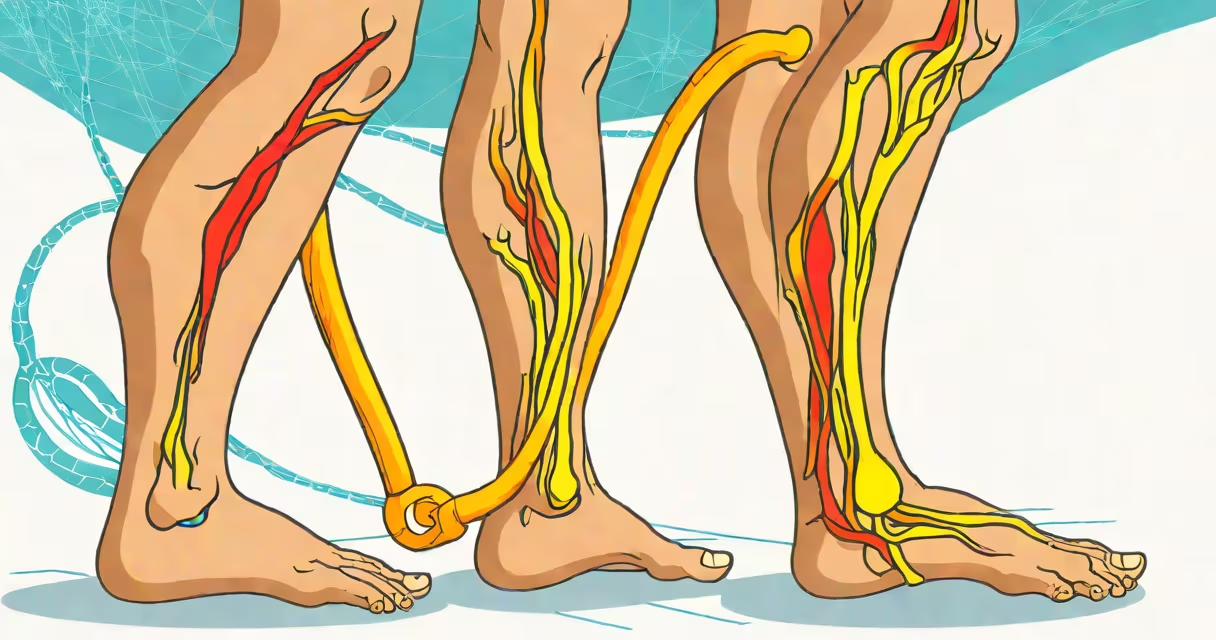
Calf tightness sciatica occurs when tight calf muscles compress the sciatic nerve, causing radiating pain from the lower back to the legs. This condition often results from muscle imbalances, prolonged sitting, or improper posture.
The sciatic nerve runs from the lower back through the buttocks and down both legs. When calf muscles are overly tight, they can pull on the surrounding tissues and irritate the sciatic nerve. This irritation leads to inflammation, pain, and other symptoms associated with sciatica.
Calf tightness sciatica can manifest in different ways, depending on the underlying cause:
Symptoms of calf tightness sciatica include:
According to the Mayo Clinic, sciatica symptoms often worsen with prolonged sitting or standing.
To alleviate calf tightness sciatica, try these methods:
Many people assume sciatica only affects the lower back, but it often extends to the calves and feet. Ignoring calf tightness can worsen sciatic nerve irritation, leading to chronic pain.
Seek medical attention if symptoms persist beyond a few weeks or if pain interferes with daily activities. A healthcare provider can diagnose the underlying cause and recommend appropriate treatment.