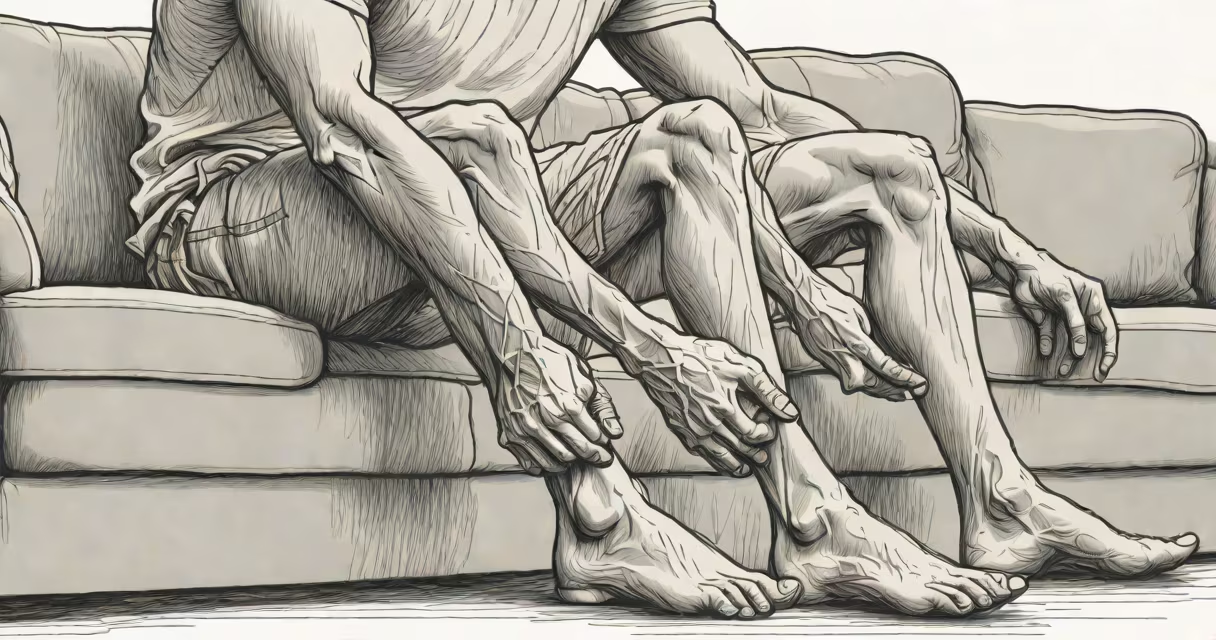
Calf cramps are sudden, involuntary contractions of the muscles in your lower legs. They often occur during exercise, at night, or even while resting. These cramps can last from a few seconds to several minutes and may recur frequently.
Calf cramps happen when the muscles in your lower legs contract too forcefully or cannot relax properly. This can be due to overuse, dehydration, electrolyte imbalances, or nerve compression. The calf muscles, primarily the gastrocnemius and soleus, are responsible for pointing your toes and lifting your heels off the ground.
There are three primary types of calf cramps:
Several factors can contribute to persistent calf cramps:
| Cause | Description |
|---|---|
| Dehydration | Lack of adequate water intake can lead to muscle cramps. |
| Electrolyte Imbalance | Low levels of potassium, sodium, calcium, or magnesium can cause cramps. |
| Overuse | Intense or prolonged physical activity can overwork the calf muscles. |
| Nerve Compression | Conditions like sciatica can compress nerves, leading to cramps. |
| Underlying Conditions | Diabetes, peripheral artery disease, or thyroid issues can contribute to cramps. |
To prevent calf cramps, ensure you stay hydrated, especially during and after physical activity. Consume a balanced diet rich in electrolytes, including bananas, leafy greens, nuts, and dairy products. Regular stretching and strengthening exercises can also help maintain muscle flexibility and reduce the risk of cramps.
I once experienced persistent calf cramps during a marathon training season. After consulting a sports medicine specialist, I adjusted my hydration and electrolyte intake, which reduced the frequency and severity of the cramps. Proper warm-up and cool-down routines also played a important role in preventing future episodes.
If calf cramps are frequent, severe, or accompanied by other symptoms such as swelling, redness, or weakness, it's essential to seek medical attention. A healthcare provider can help identify any underlying conditions and recommend appropriate treatment options.
Calf cramps are common and usually not a cause for concern. However, understanding the causes and implementing preventive measures can help manage and reduce the occurrence of these uncomfortable muscle contractions.