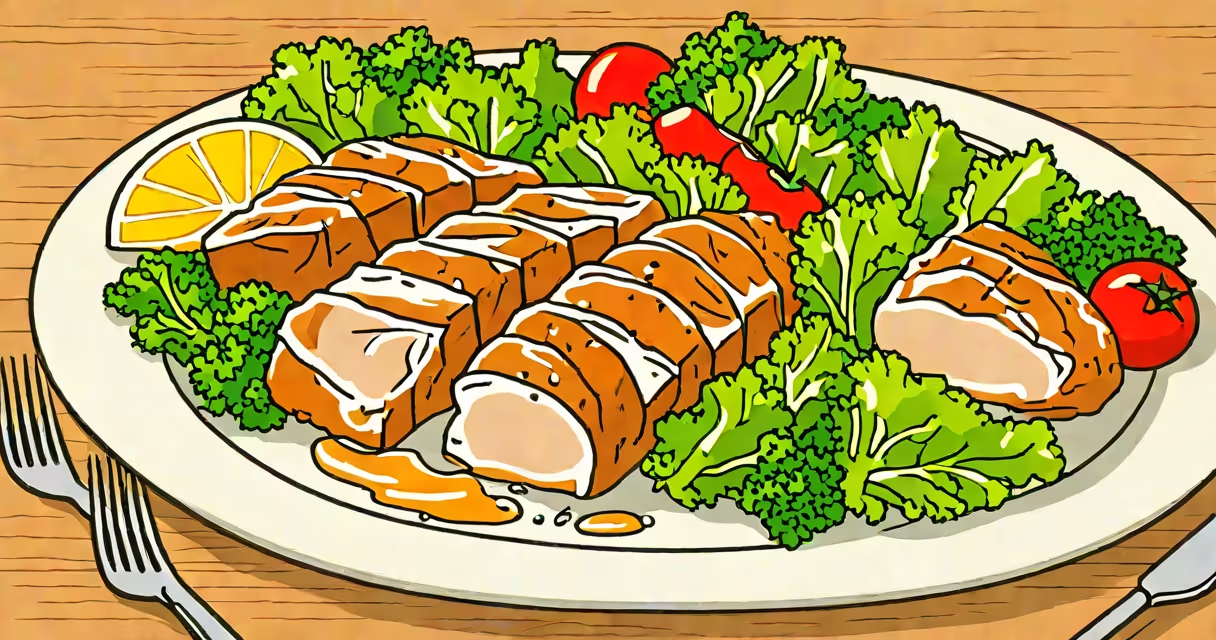
Chicken is generally safe to eat when you have diarrhea, provided it's cooked thoroughly and served plain without added fats or spices. Diarrhea often requires a temporary shift to easily digestible foods, and properly prepared chicken fits this category.
Diarrhea occurs when your intestines can't absorb fluids properly, leading to loose or watery stools. This can happen due to infections, food intolerances, or other digestive issues. During diarrhea, your body needs gentle, low-fiber foods that are easy to digest. Chicken, especially skinless and fat-free, meets these criteria.
Not all chicken preparations are equal when you're recovering from diarrhea. Here's a quick guide:
| Type of Chicken | Safe to Eat? |
|---|---|
| Plain, boiled or baked chicken breast (skinless) | Yes |
| Fried chicken or chicken with heavy sauces | No |
| Chicken with added spices or seasonings | No |
| Chicken soup (homemade, low-fat) | Yes |
Chicken is a lean protein that's low in fiber and fat, making it easier to digest than red meat or processed foods. However, fatty cuts or heavily seasoned chicken can irritate your stomach and worsen diarrhea. For best results, opt for white meat and avoid skins, oils, and sauces.
While chicken is a good protein option, other foods play a role in managing diarrhea. The BRAT diet-bananas, rice, applesauce, and toast-is often recommended for its binding effects. However, this diet lacks essential nutrients, so it shouldn't be followed for more than a few days.
Diarrhea usually resolves within a few days, but persistent symptoms may require medical attention. If diarrhea lasts longer than 48 hours, is accompanied by severe pain, or includes blood, consult a doctor. Dehydration is a serious risk, so drink plenty of fluids like water, oral rehydration solutions, or clear broths.