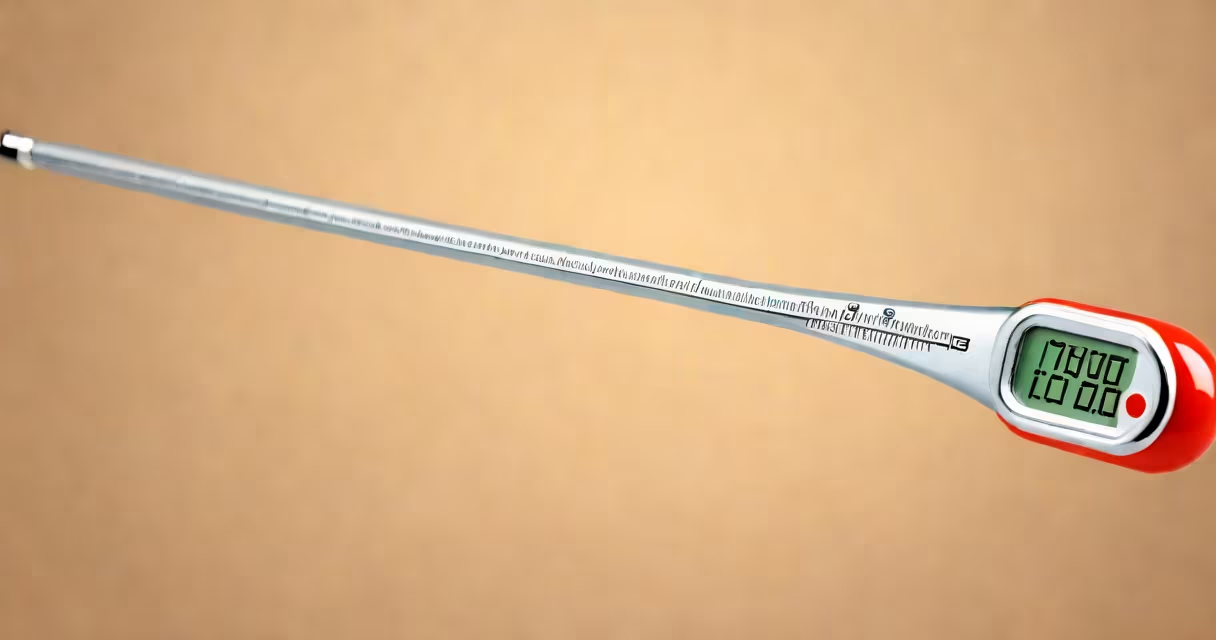
Yes, strep throat often causes a sudden, high fever, typically between 101°F (38.3°C) and 104°F (40°C). This fever is a common symptom of the bacterial infection caused by group A Streptococcus.
Strep throat triggers an immune response that includes inflammation and the release of pyrogens, which signal the brain to raise the body's temperature. This helps fight off the bacterial invasion. Unlike viral infections, strep-related fevers usually appear abruptly and are more severe.
| Type | Typical Fever Range | Duration |
|---|---|---|
| Strep throat | 101°F-104°F (38.3°C-40°C) | 2-4 days without treatment; resolves within 1-2 days with antibiotics |
| Scarlet fever (a strep complication) | 101°F-103°F (38.3°C-39.4°C) | 1-2 weeks |
Viral infections like the common cold may cause low-grade fevers (around 100°F/37.8°C) that develop gradually. Strep fevers, however, spike quickly and are often accompanied by severe sore throat, swollen lymph nodes, and white patches on the tonsils. A rapid strep test or throat culture can confirm the diagnosis.
I once treated a patient whose fever spiked to 103.5°F (39.7°C) within hours. The rapid strep test confirmed the infection, and antibiotics brought the fever down within 24 hours-a clear sign of bacterial, not viral, origin.
If a fever persists beyond 48 hours despite over-the-counter medications, or if it exceeds 102°F (38.9°C) in a child under 2, consult a doctor. Untreated strep can lead to complications like rheumatic fever or kidney inflammation.