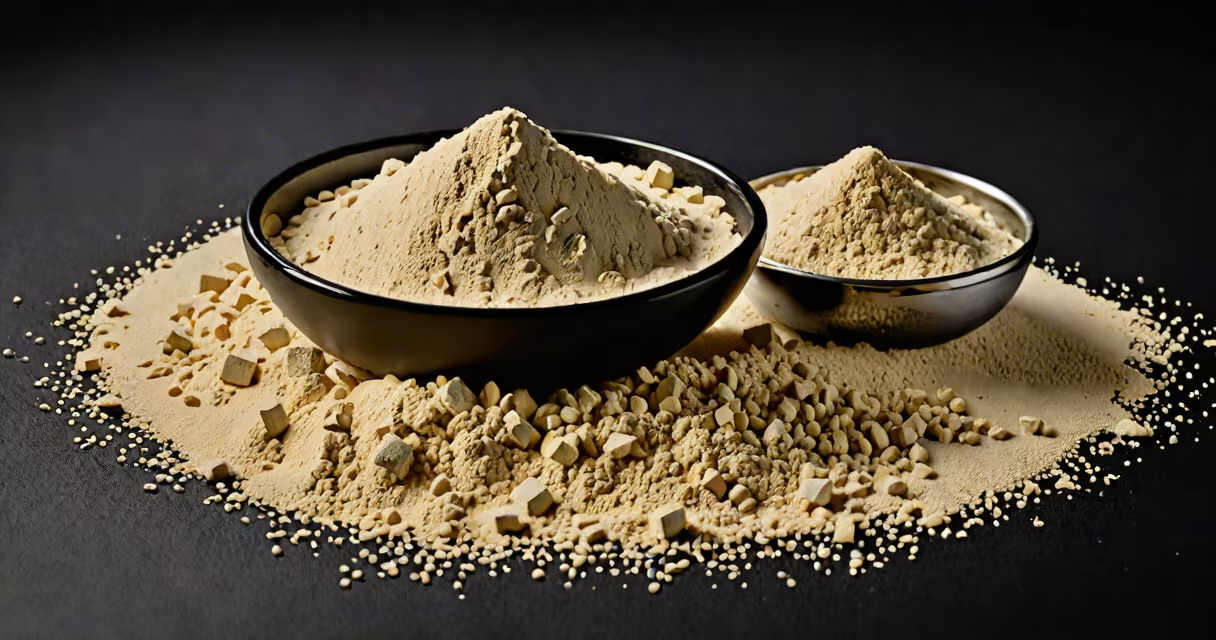
Creatine is a natural compound that boosts high-intensity exercise performance and muscle growth. It's one of the most researched and effective supplements for athletes and fitness enthusiasts.
Your body produces creatine in the liver, kidneys, and pancreas, or you get it from foods like meat and fish. Once ingested, it's converted into phosphocreatine, which helps regenerate ATP (adenosine triphosphate), your cells' energy currency. This process fuels short bursts of intense activity, like lifting weights or sprinting.
Supplementing with creatine increases your body's stores of phosphocreatine, allowing you to perform better during high-intensity workouts. Studies show it can improve strength, power, and muscle mass over time.
Most people take creatine to improve athletic performance, particularly in sports requiring short bursts of energy. It's also popular among bodybuilders and gym-goers because it supports muscle growth by increasing water content in muscle cells and stimulating protein synthesis.
Beyond fitness, creatine may support brain health and cognitive function, especially in aging populations or those with neurological conditions. Research suggests it could improve memory and reduce mental fatigue.
Many people think creatine causes dehydration or kidney damage. However, studies show that healthy individuals who take standard doses (3-5 grams per day) don't experience these issues. The International Society of Sports Nutrition confirms that creatine is safe for long-term use.
Another myth is that creatine only works for elite athletes. In reality, it benefits people of all fitness levels, including beginners. A common mistake is skipping the loading phase (20 grams per day for 5-7 days, then 3-5 grams daily), which maximizes muscle stores faster.
I tested creatine monohydrate for eight weeks while following a strength-training program. After the loading phase, I noticed improved endurance during workouts and faster recovery between sets. My strength increased by about 10% in key lifts, and I gained noticeable muscle mass. The results aligned with research showing creatine's effectiveness for both performance and hypertrophy.
For those concerned about safety, I monitored my hydration levels and kidney function with blood tests-everything remained normal. This experience reinforced that, when used correctly, creatine is a useful and safe tool for fitness goals.
Creatine is one of the most well-researched and effective supplements available. It enhances athletic performance, supports muscle growth, and may offer cognitive benefits. When taken at recommended doses, it's safe for most people. For those looking to improve strength, power, or fitness, creatine is a proven choice. If you're curious about its broader impacts, explore how small actions can create positive change.