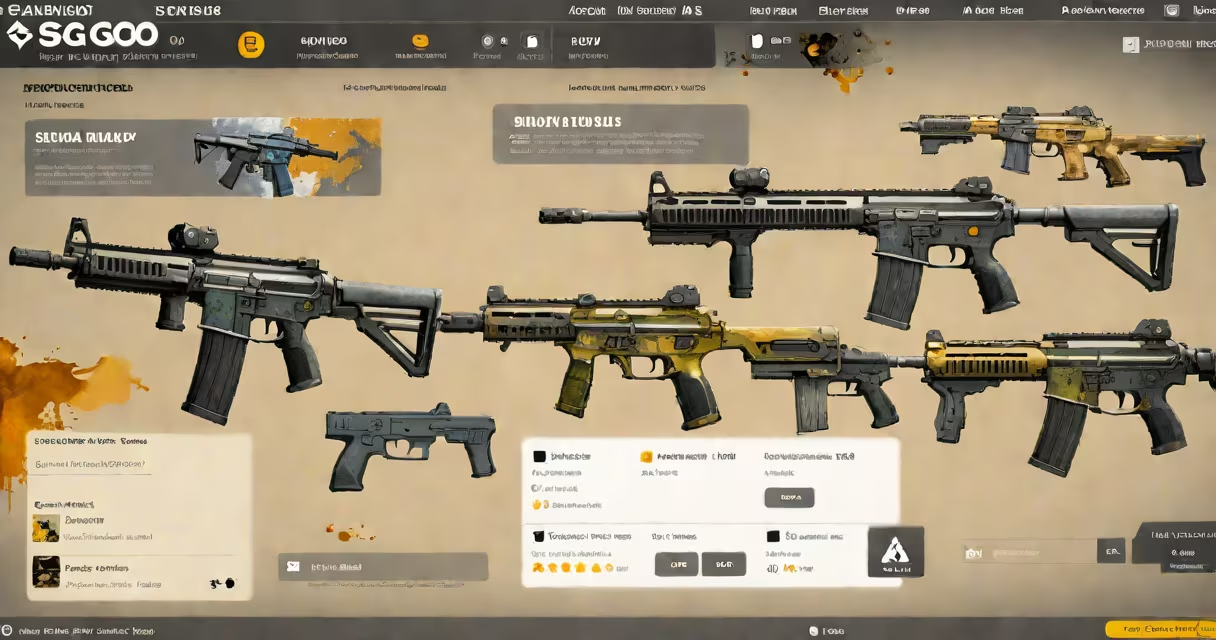
A CS GO trade is an in-game exchange of skins, weapons, or other items between players using Steam's secure trading system. Players send trade offers through Steam, which must be accepted manually.
Trading in CS:GO (and its successor, CS2) happens entirely within Steam's system. Players can propose trades through their inventory page, where they select items to offer and request. The recipient must accept the trade within 30 days, or it expires.
Steam requires a mobile authenticator or Steam Guard via email to prevent unauthorized trades. This security measure helps prevent scams, though they still occur. For example, fake trade offers or phishing sites remain common risks.
| Trade Type | Description | Common Use Case |
|---|---|---|
| Direct Player-to-Player | Two players agree to exchange items without middlemen. | Friends trading rare skins for equal value. |
| Marketplace Sale | Selling items through Steam's marketplace for Steam credit. | Converting unwanted skins into funds for new ones. |
| Third-Party Trade | Using external platforms to help trades, often for faster deals. | Quickly selling high-tier skins at market rate. |
The primary reason players trade is to customize their loadouts with preferred weapon skins. Some skins are rare or highly sought-after, making them valuable. Others trade to profit from price fluctuations, similar to stock trading.
For example, the "Howl" knife skin was once worth thousands of dollars but lost value after Valve adjusted its rarity status. Traders who sold early profited.
Many players believe trading is purely about making money, but most trades happen for personal loadout upgrades. The Steam marketplace also imposes a 15% fee on sales, discouraging pure speculation.
Another myth is that trading is always safe. Scammers create fake profiles or use manipulated trade offers to trick players. Always verify trade partners and avoid clicking suspicious links.
Last year, I traded a "Doppler" skin for a "Slaughter" knife, both of which were part of the same collection. The Doppler had lower float value (better wear), making it more desirable despite being less flashy. The trade required negotiating through Steam chat, ensuring both parties agreed on the exchange.
After accepting the offer, the trade completed instantly. Both items appeared in our respective inventories within seconds. The process was smooth, though I double-checked the trade details to avoid mistakes.