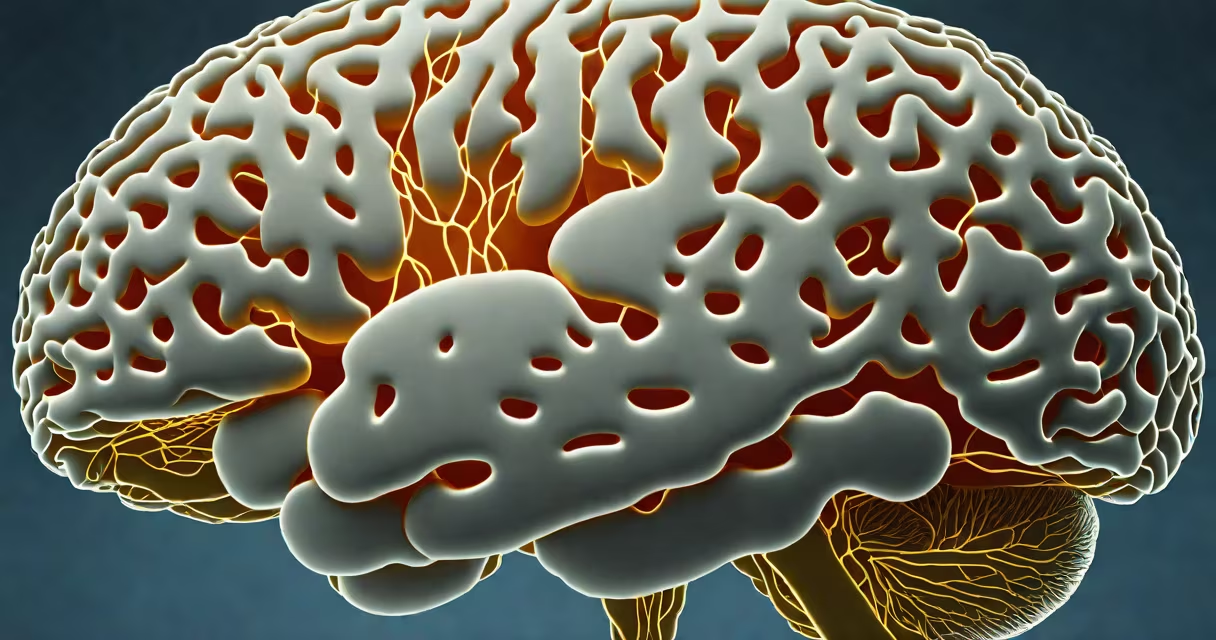
Interpersonal neurobiology is a field founded by Dr. Dan Siegel that explores how human relationships shape brain structure and function. It combines neuroscience, psychology, and social sciences to understand how minds connect.
Siegel's structure proposes that the mind emerges from the interaction between biological processes and social relationships. The brain's neural pathways develop through experiences, especially those involving attachment and communication. This process is called neuroplasticity.
For example, positive interactions trigger the release of hormones like oxytocin, which strengthen neural connections associated with trust and empathy. Negative experiences, such as trauma, can weaken these connections, leading to mental health challenges.
Interpersonal neurobiology focuses on several key components:
Interpersonal neurobiology is applied in various fields, including therapy, education, and healthcare. Therapists use its principles to treat conditions like anxiety, depression, and PTSD. Educators apply it to create supportive learning environments that build emotional resilience.
One common misconception is that interpersonal neurobiology is solely about individual brain function. In reality, it emphasizes the role of social interactions in shaping mental health. For instance, a study published in the Journal of Neuroscience found that social support improves recovery from trauma.
Consider a child who grows up in a stable, loving home. Their brain develops strong neural pathways for emotional regulation and social connection. Conversely, a child exposed to neglect may struggle with emotional dysregulation and form weaker connections. Interpersonal neurobiology helps therapists address these differences by strengthening positive relationships and promoting healing.
I once observed a therapy session where a therapist used Siegel's techniques to help a patient with anxiety. By focusing on mindfulness and positive social interactions, the patient showed significant improvement in emotional regulation over time.
Many people confuse interpersonal neurobiology with traditional neuroscience. While both study the brain, interpersonal neurobiology specifically examines how relationships influence brain development. Another mistake is assuming it's only relevant to therapy; it's also important in education and workplace environments.
For example, schools implementing programs based on interpersonal neurobiology principles report higher student engagement and lower stress levels. A study by the American Journal of Psychiatry supports this, showing that supportive teacher-student relationships improve academic performance.