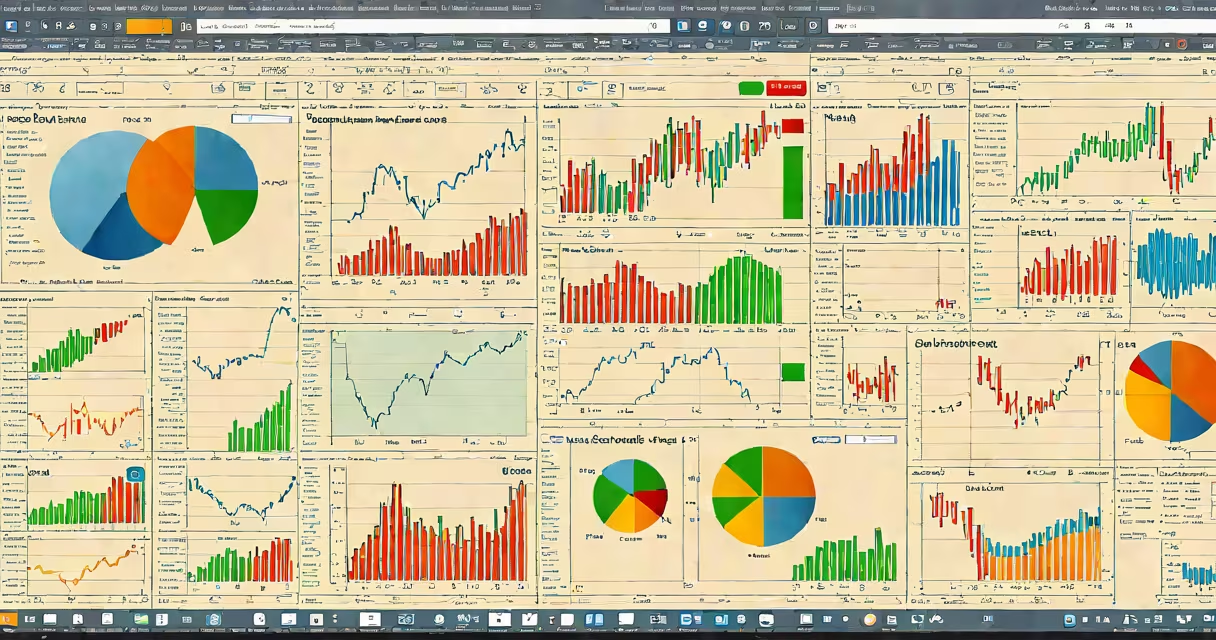
Day trading software is specialized software that provides traders with tools to analyze financial markets and execute trades quickly, often using real-time data and advanced charting capabilities.
Day trading software connects to financial exchanges to provide real-time market data, allowing traders to monitor price movements and execute trades within seconds. Most platforms offer customizable dashboards, technical indicators, and order management tools to help traders make informed decisions.
For example, a day trader might use software to monitor stock prices throughout the day, looking for patterns or signals that indicate a potential profit opportunity. When they identify a favorable trade, they can execute it directly through the software.
Day trading software typically includes several key features:
Day trading software varies by asset class and trader preference. Common types include:
| Type | Description | Examples |
|---|---|---|
| Stock Trading Platforms | Software designed for trading stocks, often with advanced charting and analysis tools. | ThinkorSwim, TradeStation |
| Forex Trading Platforms | Platforms optimized for currency trading, featuring low-latency execution and high liquidity. | MetaTrader 4/5, cTrader |
| Cryptocurrency Trading Platforms | Software for trading cryptocurrencies, often with integrated exchange access. | Binance, Coinbase Pro |
| Multi-Asset Platforms | Versatile software that supports trading across different asset classes, including stocks, forex, and commodities. | Interactive Brokers, eToro |
Day traders rely on software to gain a competitive edge by accessing real-time data, executing trades faster, and analyzing market trends efficiently. The speed and accuracy of these tools are important for capitalizing on short-term price fluctuations.
For instance, a day trader might use software to spot a sudden price drop in a stock due to breaking news. By quickly executing a short sale through the platform, they can profit from the decline before the market adjusts.
According to a study by the Securities and Exchange Commission (SEC), the use of advanced trading software has increased the efficiency and profitability of day trading strategies. However, that not all platforms are suitable for every trader. Some software may require a learning curve or come with subscription fees.
Many traders assume that day trading software guarantees profits or that it's only useful for experienced traders. In reality, while the software provides useful tools, success still depends on the trader's strategy, discipline, and market knowledge.
Another misconception is that all day trading software is the same. Different platforms cater to different trading styles and asset classes, so traders should choose software that aligns with their specific needs.
When selecting day trading software, traders should consider factors such as:
Personally, when I first started day trading, I tested multiple platforms before settling on one that matched my trading style. The right software can make a significant difference in performance, so it's worth investing time in finding the best fit.