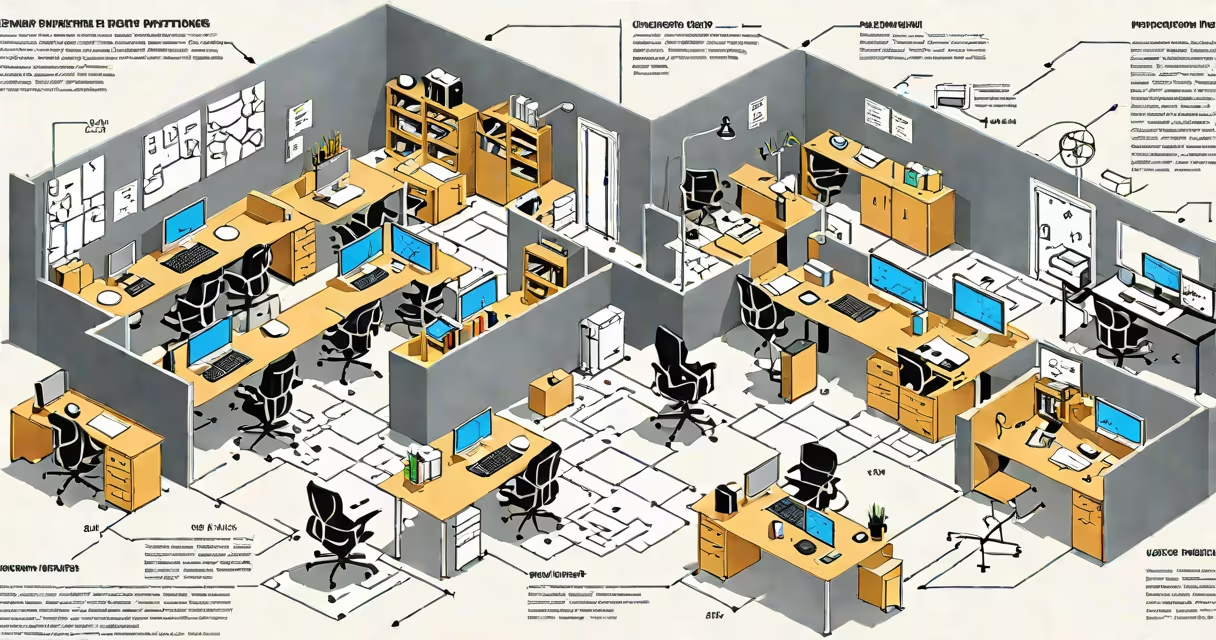
Business functions are the core activities that keep an organization operating, from production and sales to human resources and finance. These functions form the foundation of any business, ensuring all necessary work gets done.
Every company divides its work into specialized areas, each handling specific tasks. For example, a manufacturing company might have separate departments for production, quality control, and logistics. This division allows businesses to operate efficiently and scale as they grow.
The most common business functions include:
All companies, regardless of size or industry, rely on business functions. A small bakery needs operations (baking), marketing (promoting its products), and customer service (handling orders). A large tech company requires additional functions like research and development (R&D) and IT support.
Some people confuse business functions with job roles or departments. While related, they are not the same. A function describes the work being done, while a department is the group of people responsible for that work. For example, "marketing" is a function, but the "marketing department" is the team that handles it.
Another misconception is that automation eliminates the need for certain business functions. While automation can simplify processes, it doesn't replace core functions. Instead, it often enhances them. For instance, automated customer service chatbots handle basic inquiries, freeing human agents to focus on complex issues.
Consider a clothing retailer. Its business functions might include:
| Function | Example Tasks |
|---|---|
| Operations | Manufacturing clothes, managing inventory, shipping orders |
| Marketing | Running social media ads, sending email newsletters, analyzing customer trends |
| Finance | Tracking sales revenue, managing budgets, processing payments |
| Human Resources | Hiring store staff, conducting employee training, handling payroll |
| Customer Service | Answering customer questions, processing returns, resolving complaints |
By defining these functions, the retailer ensures all aspects of its business run smoothly.