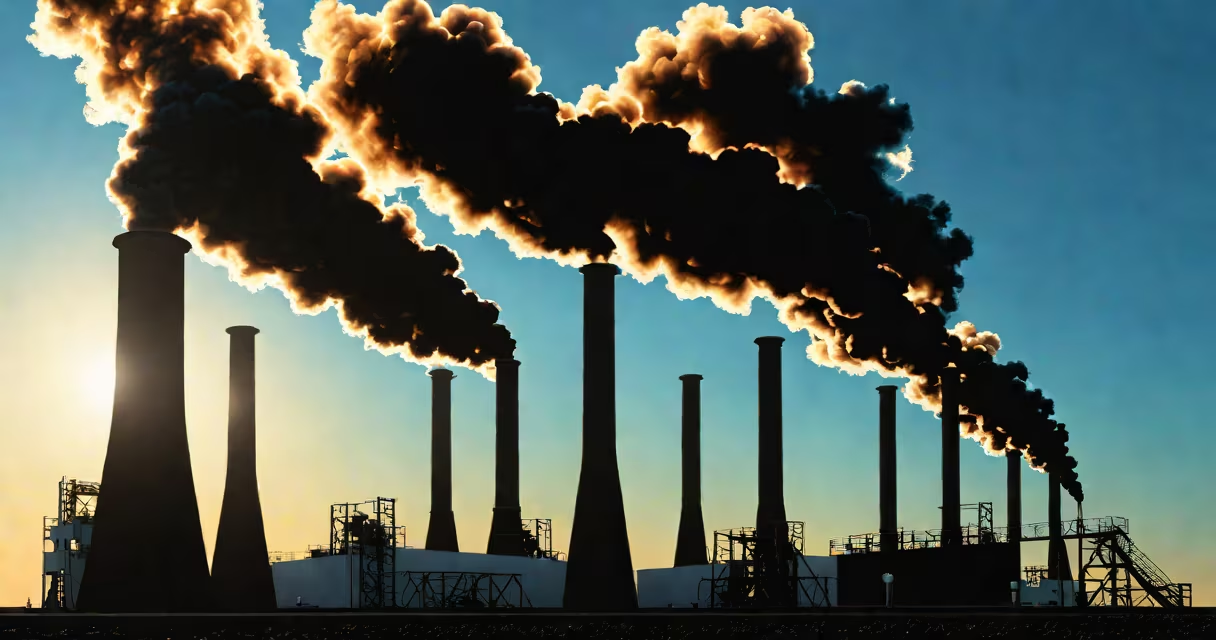
Yes, burning fossil fuels is the primary driver of climate change because it releases carbon dioxide and other greenhouse gases that trap heat in the atmosphere. This process disrupts Earth's natural climate balance, leading to rising temperatures and extreme weather events.
When fossil fuels like coal, oil, and natural gas are burned, they release carbon dioxide (CO₂) and other greenhouse gases. These gases accumulate in the atmosphere and form a layer that traps heat from the sun, preventing it from escaping back into space. This is known as the greenhouse effect.
The Intergovernmental Panel on Climate Change (IPCC) reports that CO₂ levels are now higher than at any time in the last 800,000 years. The burning of fossil fuels for energy is the largest source of these emissions, contributing about 75% of global greenhouse gas emissions and about 90% of CO₂ emissions.
Fossil fuels vary in their carbon intensity, which measures how much CO₂ is released per unit of energy produced. Here's a breakdown of the most common types:
| Fuel Type | CO₂ Emissions (lbs/MMBtu) | Primary Uses |
|---|---|---|
| Coal | 208 | Electricity generation, industrial processes |
| Oil | 158 | Transportation, heating, electricity generation |
| Natural Gas | 117 | Electricity generation, heating, industrial processes |
Some argue that natural processes, like volcanic eruptions, release more CO₂ than human activities. However, the U.S. Geological Survey estimates that human activities release over 135 times more CO₂ than volcanoes annually. While natural processes do contribute to atmospheric CO₂, the rapid increase since the Industrial Revolution is primarily due to human activities, particularly burning fossil fuels.
Consider a typical coal-fired power plant. When coal is burned to generate electricity, it releases large amounts of CO₂. For instance, a single 1,000-megawatt coal plant emits about 6 million tons of CO₂ per year. Over time, these emissions accumulate in the atmosphere, enhancing the greenhouse effect and contributing to global warming.
Transitioning to renewable energy sources like solar, wind, and hydroelectric power can reduce greenhouse gas emissions. Improving energy efficiency and adopting sustainable practices also play important roles in mitigating climate change. For more on this, see how to combat climate change.
Understanding the link between burning fossil fuels and climate change is the first step toward meaningful action. By reducing our reliance on fossil fuels and embracing cleaner energy alternatives, we can help protect the planet for future generations.