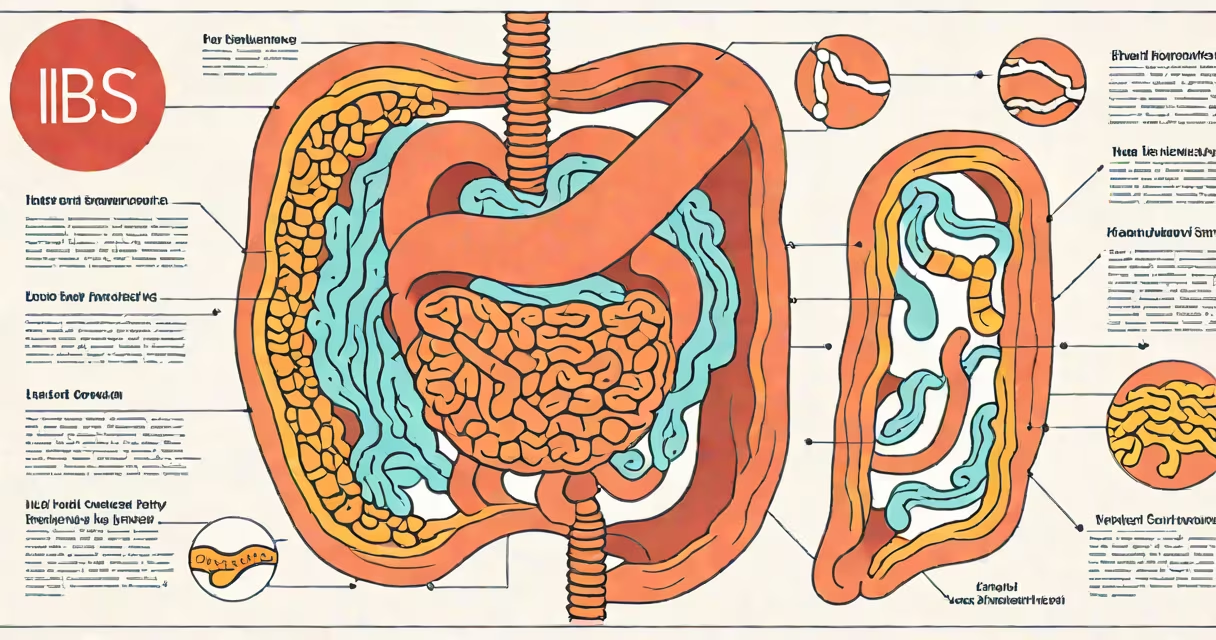
Irritable bowel syndrome (IBS) is a common digestive disorder that often causes stomach pain and discomfort. This chronic condition affects the large intestine and leads to symptoms like cramping, bloating, and changes in bowel habits.
IBS triggers stomach pain through a combination of factors. The primary mechanism involves heightened sensitivity in the gut, known as visceral hypersensitivity. This makes the gut overly responsive to normal digestive processes, leading to pain even when no damage is present.
IBS disrupts the coordination of muscle contractions in the intestines, a condition called visceral hypersensitivity. These irregular contractions can cause cramping and sharp pains, especially after eating or during stress.
IBS-related stomach pain varies depending on the subtype of IBS:
| IBS Type | Common Pain Locations | Associated Symptoms |
|---|---|---|
| IBS with Constipation (IBS-C) | Lower abdomen, lower left side | Hard stools, straining, bloating |
| IBS with Diarrhea (IBS-D) | Entire abdomen, lower left side | Loose stools, urgency, cramping |
| Mixed IBS (IBS-M) | Lower abdomen, lower left side | Alternating constipation and diarrhea |
A study published in the journal Gastroenterology found that 90% of IBS patients report recurrent abdominal pain as their primary symptom.
While IBS is manageable, persistent or severe stomach pain may indicate other conditions. Consult a doctor if pain is accompanied by weight loss, blood in stool, or persistent nausea. These symptoms could signal conditions like inflammatory bowel disease (IBD) or celiac disease.
Dietary adjustments are the first line of defense. A low-FODMAP diet, which eliminates certain carbohydrates that trigger IBS symptoms, has shown effectiveness in reducing pain. Probiotics and fiber supplements can also help regulate digestion.
Stress management techniques, such as mindfulness and cognitive behavioral therapy, have proven beneficial. According to the International Foundation for Gastrointestinal Disorders, stress exacerbates IBS symptoms in 80% of cases.
Over-the-counter medications like antispasmodics and fiber supplements can alleviate symptoms. Prescription drugs, including antidepressants and gut-directed antibiotics, are options for severe cases.
I once managed IBS symptoms through a combination of dietary changes and stress reduction. Tracking food triggers helped identify specific foods that worsened my discomfort. Regular exercise and meditation also played a important role in managing stress levels.
IBS frequently causes stomach pain due to heightened gut sensitivity and disrupted muscle contractions. Recognizing the patterns and triggers of IBS-related pain is essential for effective management. While lifestyle changes and medications can help, consulting a healthcare provider ensures proper diagnosis and treatment.