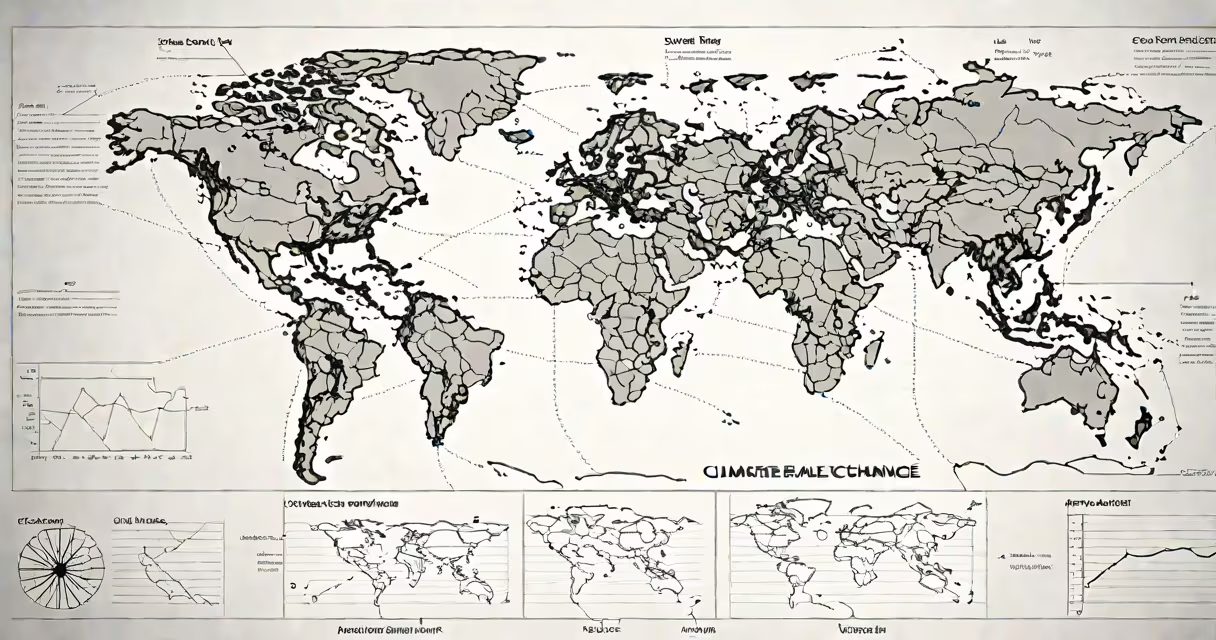
Climate change causes extreme weather, rising sea levels, and biodiversity loss through increased greenhouse gas emissions and global warming. These effects disrupt ecosystems, economies, and human health worldwide.
Climate change occurs primarily due to human activities like burning fossil fuels, deforestation, and industrial processes. These actions release greenhouse gases (GHGs) such as carbon dioxide (CO₂) and methane (CH₄) into the atmosphere. GHGs trap heat, leading to global warming and altering Earth's climate patterns.
The effects of climate change are widespread and varied. Here are the most significant impacts:
Climate change affects every region on Earth, but some areas experience more severe impacts. Coastal regions face flooding and erosion, while tropical areas suffer from stronger storms. Agricultural productivity declines in some regions due to changing rainfall patterns and increased temperatures.
Understanding these effects is important for developing mitigation and adaptation strategies. Governments, scientists, and organizations use this data to create policies and technologies aimed at reducing emissions and protecting vulnerable communities.
Many people confuse climate change with natural climate variability. While Earth's climate has always changed, the current rate of warming is new and primarily driven by human activities. Another misconception is that climate change only affects distant regions or future generations. In reality, it impacts everyone today, from health issues due to heatwaves to economic losses from extreme weather events.
Heatwaves are becoming more frequent and intense due to climate change. In 2003, Europe experienced a heatwave that caused over 70,000 deaths, primarily due to heat-related illnesses. Cities like Paris and London are now implementing heat action plans, including cooling centers and public awareness campaigns, to protect residents during extreme heat events.
To combat these effects, communities can adopt measures such as planting trees for shade, improving public health infrastructure, and reducing urban heat islands. Understanding the specific impacts in different regions helps tailor these solutions effectively.