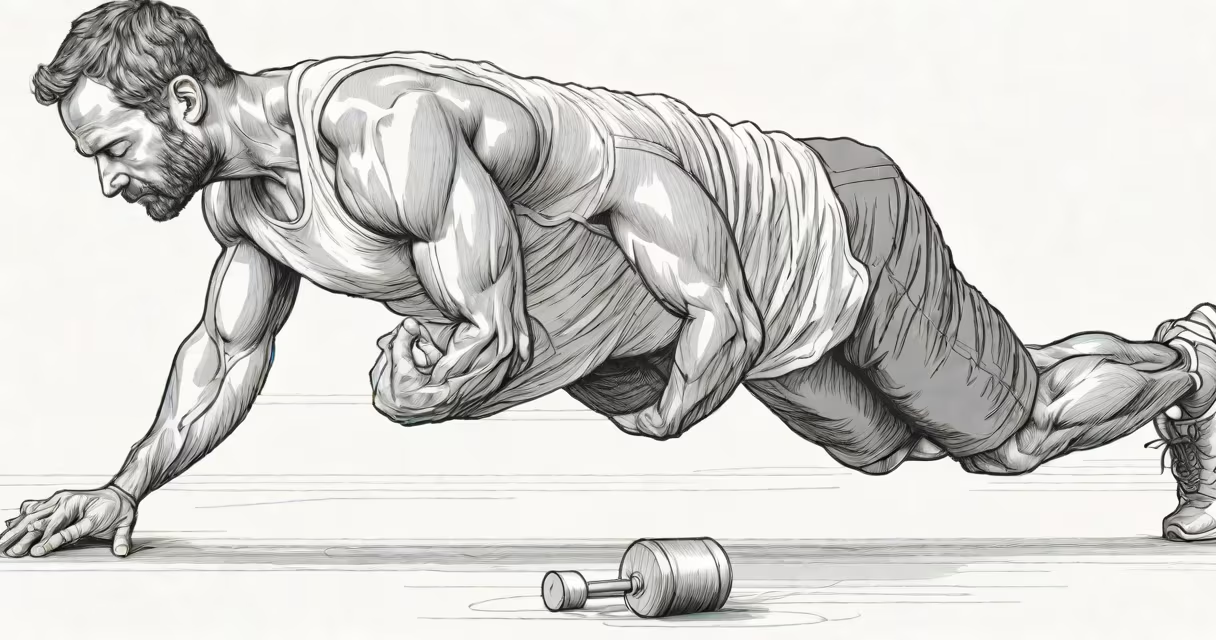
An exercise regimen for belly fat is a structured workout plan combining cardiovascular exercise, strength training, and core-specific workouts to reduce abdominal fat. This approach targets visceral fat-the dangerous fat surrounding internal organs-and improves fitness.
Exercise reduces belly fat through calorie burning and metabolic changes. Cardio exercises like running or cycling burn calories, creating a deficit that forces the body to use stored fat for energy. Strength training builds muscle, which increases resting metabolic rate, helping burn more calories even at rest. Core exercises strengthen abdominal muscles, improving posture and appearance.
The most effective exercise regimens for belly fat include:
This regimen is used in gyms, home workouts, and fitness classes worldwide. It's particularly popular among people looking to improve health, reduce disease risk, and improve physical appearance. According to the Mayo Clinic, regular exercise is important for reducing visceral fat, which is linked to heart disease and diabetes.
Many believe spot reduction-targeting fat loss in specific areas-is possible. However, fat loss occurs uniformly across the body. A balanced exercise regimen combined with a healthy diet is the most effective way to reduce belly fat. Another myth is that intense workouts alone are enough; consistent effort over time yields the best results.
A sample weekly exercise regimen for belly fat includes:
| Day | Workout | Duration |
|---|---|---|
| Monday | Running or Cycling | 30 minutes |
| Tuesday | Strength Training (Squats, Push-ups, Lunges) | 45 minutes |
| Wednesday | Core Workouts (Planks, Leg Raises, Russian Twists) | 30 minutes |
| Thursday | Swimming or Brisk Walking | 30 minutes |
| Friday | Strength Training (Deadlifts, Shoulder Press, Pull-ups) | 45 minutes |
| Saturday | Yoga or Pilates | 30 minutes |
| Sunday | Rest or Light Stretching | N/A |
Exercise alone won't eliminate belly fat without dietary changes. A balanced diet rich in whole foods, lean proteins, and healthy fats supports fat loss. Avoiding processed sugars and refined carbohydrates is important. The Harvard Medical School recommends pairing exercise with a diet high in fiber and low in saturated fats for optimal results.
I've seen firsthand how this combination works. After following a structured regimen for three months, I noticed significant reductions in belly fat and improved endurance. Consistency was key-skipping workouts or indulging in unhealthy foods slowed progress.