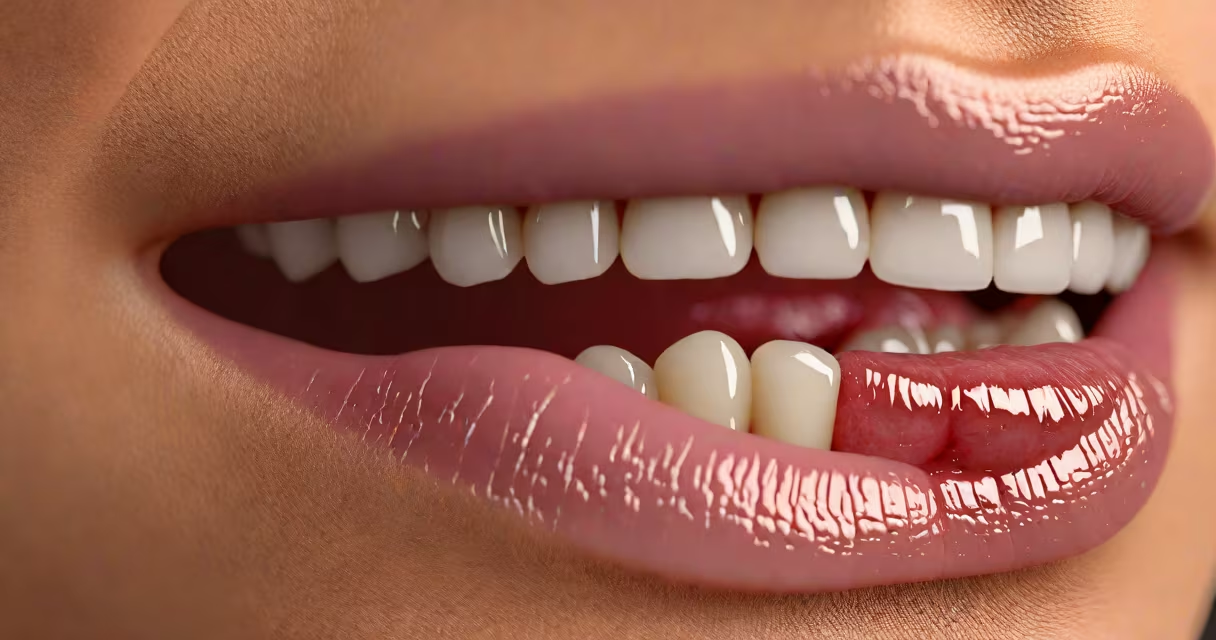
A canker sore on your tongue is a small, painful ulcer with a white or yellow center and a red border. These sores develop inside the mouth and aren't contagious.
Canker sores typically heal on their own within 1-2 weeks, but treatments can speed up recovery and ease discomfort. Most people get them occasionally, but frequent outbreaks may indicate underlying issues.
Canker sores form when the thin tissue lining your mouth is damaged. The exact cause is unknown, but triggers include:
Unlike cold sores, canker sores aren't caused by herpes viruses.
| Type | Size | Duration | Location |
|---|---|---|---|
| Minor | Small (< 1 cm) | 1-2 weeks | Anywhere in the mouth |
| Major | Large (> 1 cm) | Months | Lip, tongue |
| Herpetiform | Tiny clusters | 1-2 weeks | Bottom of mouth |
Most canker sores are minor. Major sores are rare, deeper, and may leave scars. Herpetiform sores are common in older adults.
Over-the-counter treatments can reduce pain and speed healing:
For severe cases, doctors may prescribe steroid ointments or oral medications.
Consult a doctor if:
Frequent outbreaks may signal an autoimmune disorder like Behçet's disease or celiac disease.
While no cure exists, these steps can help prevent canker sores:
Last winter, I developed a painful canker sore on the tip of my tongue after eating too many citrus fruits. I applied Orabase paste twice daily and avoided acidic foods. Within a week, the sore had shrunk and was much less painful.
Many people confuse canker sores with cold sores. Unlike cold sores, canker sores:
Another myth is that canker sores are caused by poor hygiene. While maintaining good oral care helps prevent irritation, they're not directly linked to cleanliness.