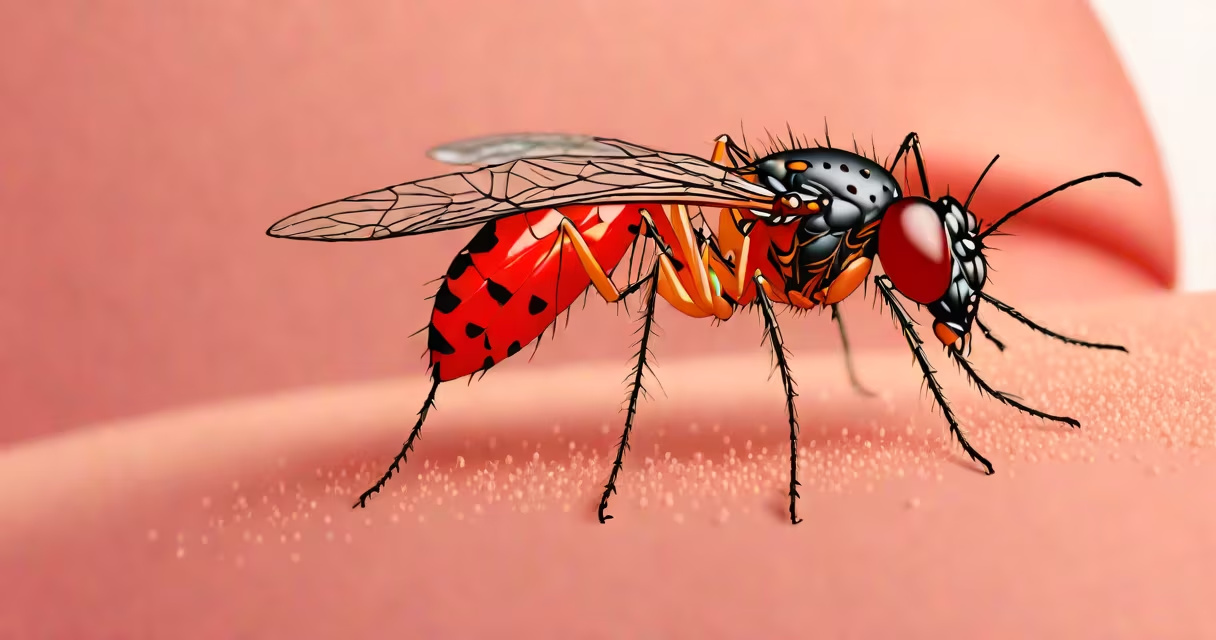
Gnat bites treatment focuses on cleaning the affected area, reducing inflammation, and relieving itching. These small, flying insects can leave painful, itchy welts that may become infected if scratched.
Gnats differ from mosquitoes in their biting mechanism. While mosquitoes inject saliva containing anticoagulants, gnats typically scrape the skin with their mouthparts, causing irritation. This leads to redness, swelling, and itching. Some people may also experience allergic reactions to gnat bites, resulting in larger welts or blisters.
Gnats belong to several families, including black flies and midges. Their bites vary in severity:
| Type of Gnat | Bite Characteristics |
|---|---|
| Black Flies | Painful bites that cause swelling and itching, often leaving a hard bump. |
| Midges | Less painful but can still cause itching and redness. |
Gnat bites are common in warm, humid environments near standing water, where gnats breed. They are attracted to movement, carbon dioxide, and body heat. Bites often occur on exposed skin, such as arms, legs, and neck.
Many people confuse gnat bites with mosquito bites due to similar symptoms. However, gnat bites are usually smaller and less likely to cause significant swelling unless an allergic reaction occurs. Unlike mosquitoes, gnats do not transmit diseases like malaria or Zika virus.
To treat gnat bites, start by washing the area with soap and water to prevent infection. Apply a cold compress to reduce swelling and numb the area. Over-the-counter hydrocortisone cream or calamine lotion can relieve itching. For severe reactions, antihistamines or oral corticosteroids may be necessary.
For natural remedies, aloe vera gel or a paste of baking soda and water can soothe the skin. Tea tree oil, known for its anti-inflammatory properties, can also be applied diluted to the affected area. Always test a small area of skin first to check for any adverse reactions.
If the bite becomes infected-showing signs like increased redness, warmth, or pus-seek medical attention. In rare cases, an allergic reaction may require emergency treatment.
I once treated a gnat bite on my arm using a cold compress and hydrocortisone cream. The swelling reduced within a few hours, and the itching subsided completely by the next day.
To avoid gnat bites, wear long sleeves and pants in areas where gnats are prevalent. Use insect repellent containing DEET or picaridin. Eliminate standing water around your home to reduce gnat breeding sites. Install fine-mesh screens on windows and doors to keep gnats out of living spaces.