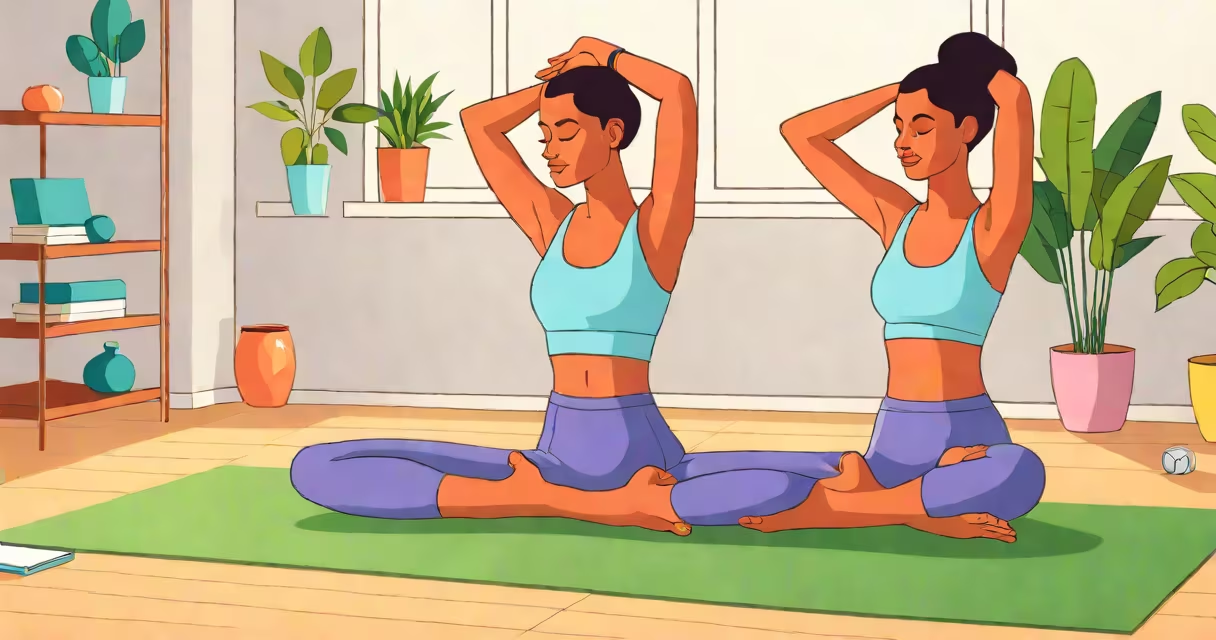
Good exercises for period cramps are low-impact movements that increase blood flow, reduce muscle tension, and trigger endorphins to counteract prostaglandins-the compounds causing cramping. These exercises focus on stretching and gentle strength-building rather than high-intensity workouts.
During menstruation, the uterus contracts to shed its lining. Prostaglandins, hormone-like chemicals, trigger these contractions and inflammation, causing pain. Exercise increases blood circulation, which helps flush out excess prostaglandins. Movement also releases endorphins, natural pain relievers that improve mood and reduce discomfort.
Not all exercises are equally effective for cramps. The best ones are low-intensity, avoid excessive bouncing, and focus on gentle stretching and strengthening. Here's a breakdown:
| Exercise Type | Examples | Benefits |
|---|---|---|
| Yoga | Cat-Cow, Child's Pose, Supine Twist | Improves flexibility, reduces stress, eases lower back pain |
| Walking | Brisk walk outdoors or on a treadmill | Boosts circulation, releases endorphins |
| Swimming | Lap swimming or water aerobics | Low-impact, full-body workout, reduces pressure on joints |
| Pilates | Pelvic tilts, leg circles, spine stretches | Strengthens core muscles, improves posture |
Listen to your body. If you feel lightheaded or nauseous, rest instead. Aim for 20-30 minutes of gentle movement daily during your period. Pair exercise with hydration and a balanced diet rich in magnesium and calcium to improve relief.
For example, try this routine: Start with a 5-minute walk to warm up. Follow with 10 minutes of yoga poses like Cat-Cow and Child's Pose. Finish with a 5-minute walk or gentle stretching. Adjust based on your comfort level.
Many people assume intense cardio or weightlifting helps cramps, but these can worsen discomfort by increasing intra-abdominal pressure. High-impact exercises may also irritate the pelvic floor muscles, exacerbating pain. Stick to low-impact activities instead.
Another myth is that exercise must be long to be effective. Even short sessions-like a 10-minute walk or 5-minute stretch-can provide noticeable relief. Consistency matters more than duration.
I've found that yoga is the most effective for me. On my heaviest days, I do a modified version of the Cat-Cow stretch while lying on my back to reduce pressure on my abdomen. This helps loosen tight muscles and eases cramping within minutes.