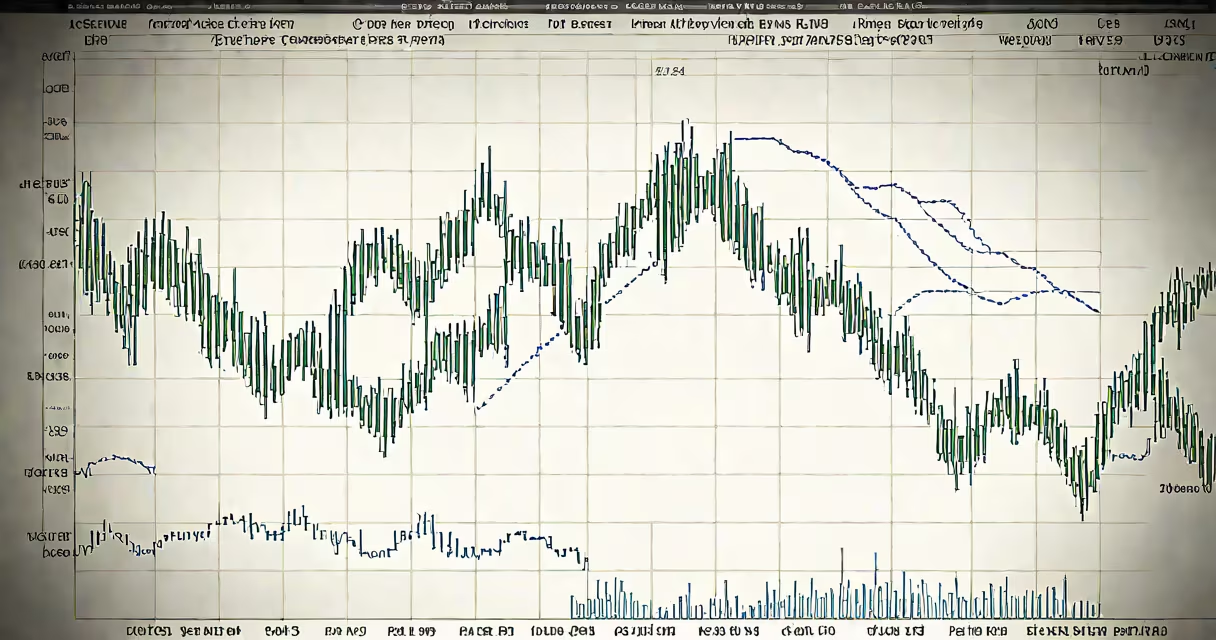
Good swing trade stocks are volatile but liquid equities that trend directionally over days or weeks, ideal for traders capturing short-term price moves. These stocks typically move 3%-10% daily and average 5 million shares traded.
Swing traders hold positions longer than day traders but shorter than buy-and-hold investors. They use technical analysis to identify trends, support/resistance levels, and entry/exit points. A typical swing trade lasts 2-6 days.
| Type | Characteristics | Examples |
|---|---|---|
| High Momentum | Rapid price movement with high volume | Tesla (TSLA), Nvidia (NVDA) |
| Breakout Stocks | Price surges past resistance levels | AMC Entertainment (AMC), GameStop (GME) |
| Pullback Opportunities | Temporary dips in uptrends | Apple (AAPL), Microsoft (MSFT) |
Volume is critical-look for stocks averaging 1 million+ shares daily. Avoid low-float stocks (<10 million shares outstanding) unless experienced. Relative Strength Index (RSI) between 30–70 signals healthy momentum.
Many confuse swing trading with day trading or scalping. Unlike day traders, swing traders don't close positions intraday. They also differ from long-term investors who hold through volatility.
Another mistake is focusing solely on penny stocks. While some qualify, they often lack liquidity. Better candidates include mid-cap stocks with higher volume and volatility.
I once traded a gas stock that fit the criteria perfectly: high volume, clear upward trend, and consistent daily gains. It moved 5%-8% daily for a week before consolidating. The key was exiting before the inevitable pullback.
Swing trading exposes traders to overnight gaps and news-driven volatility. To mitigate risks, set stop-loss orders 3%-5% below entry points. Avoid holding through earnings reports unless prepared for extreme moves.
Diversification is important. Allocate no more than 5%-10% of capital to any single swing trade. This limits exposure while allowing multiple opportunities.
Illiquid stocks can lead to slippage-difference between expected and actual execution prices. For instance, a $10 stock with low volume might execute at $9.80 due to limited buyers. High-volume stocks minimize this risk.
According to FINRA, the average retail investor loses money trading stocks. Proper stock selection and risk management improve success rates. Focus on liquid, volatile stocks with clear trends.