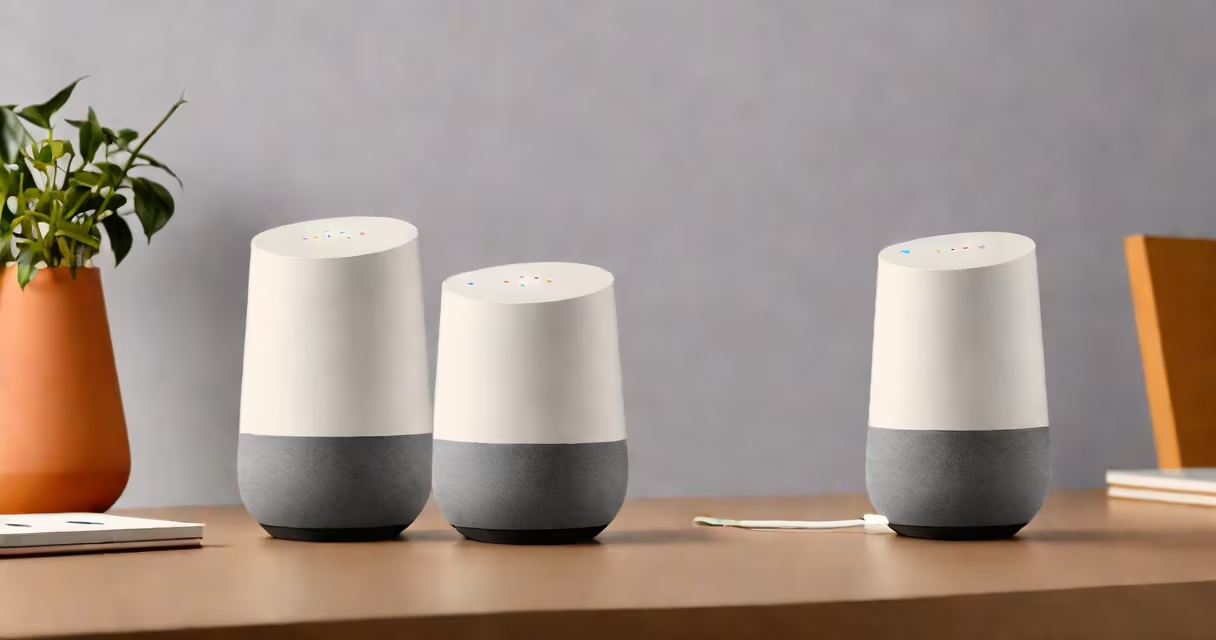
Google Home Matter is a smart home protocol developed by the Connectivity Standards Alliance that allows Google Nest devices to work smoothly with other smart home products, regardless of brand.
Google Home Matter uses a standardized communication method called Matter to connect devices. This protocol operates over IP networks and supports multiple wireless technologies, including Wi-Fi, Thread, and Ethernet. By adopting Matter, Google helps its smart home devices can communicate with products from other manufacturers without requiring complex setups or additional hubs.
For example, a Matter-compatible light bulb from Philips Hue can be controlled using Google Home just as easily as a Nest smart plug. This interoperability eliminates the need for multiple apps or bridges, simplifying the smart home experience.
Google Home Matter offers several key features:
One common misconception is that Matter replaces existing smart home ecosystems like Google Home or Apple HomeKit. In reality, Matter complements these ecosystems by adding a layer of interoperability. For instance, a Matter-enabled device can still be controlled through the Google Home app while also being compatible with other platforms like Amazon Alexa or Samsung SmartThings.
Another misunderstanding is that Matter requires users to replace their current smart home devices. However, many manufacturers are updating their existing products to support Matter, allowing users to retain their current devices while gaining the benefits of interoperability.
Imagine you have a Google Nest thermostat and a smart light bulb from a different brand. With Google Home Matter, you can control both devices using the same app, set up routines that involve both devices, and ensure they work together smoothly. For instance, you could create a routine that turns off the lights and adjusts the thermostat to a comfortable temperature when you leave home.
I recently tested this setup in my own home. After updating my Google Nest Hub to support Matter, I added a Matter-compatible smart plug from a different manufacturer. The setup process was straightforward, and the plug integrated smoothly with my existing Google Home routines. This level of interoperability enhanced my smart home experience.