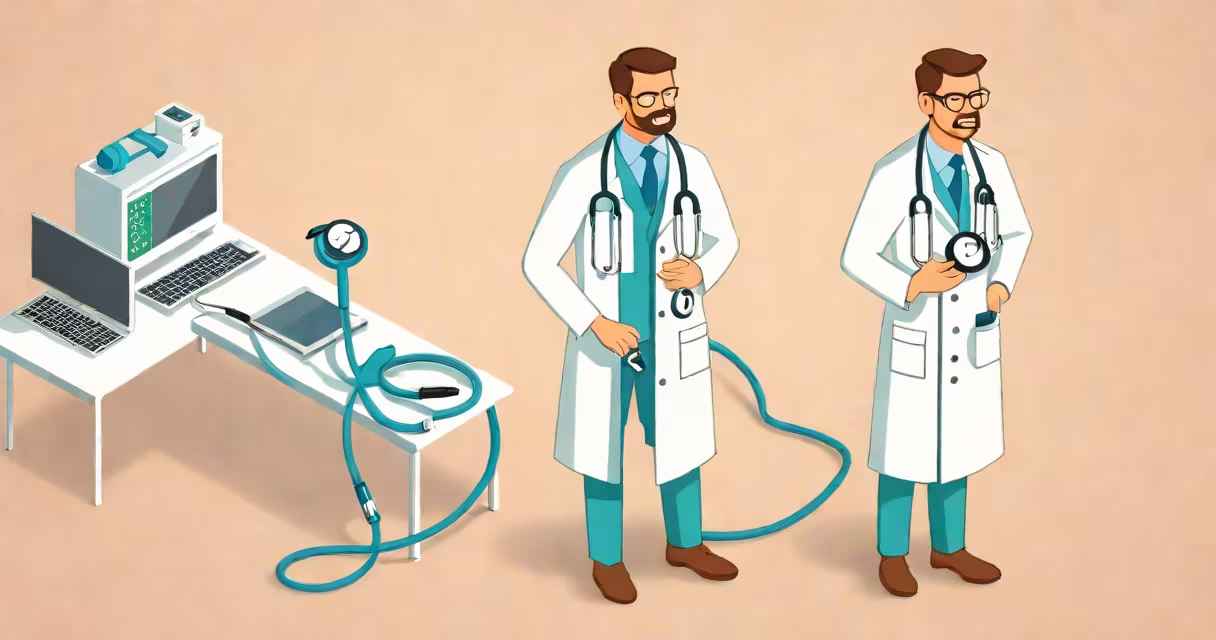
The gp medical abbreviation stands for "general practitioner," the primary care doctors who provide routine medical care and refer patients to specialists when needed. These physicians complete medical school and residency training but do not specialize in a particular area.
General practitioners serve as the first point of contact for most patients seeking medical care. They diagnose and treat common illnesses, manage chronic conditions, and perform routine checkups. GPs often work in clinics, private practices, or hospitals.
In the United States, the equivalent term is "primary care physician" (PCP). The UK and other Commonwealth countries use "GP" more frequently. According to the World Health Organization, GPs play a important role in reducing healthcare costs by preventing unnecessary specialist visits.
| Service Type | Example |
|---|---|
| Preventive Care | Annual physical exams, vaccinations |
| Diagnostic Care | Treating colds, flu, minor injuries |
| Chronic Condition Management | Diabetes, hypertension, asthma |
| Referrals | Directing patients to specialists |
General practitioners coordinate patient care, ensuring continuity and complete treatment. A study published in the British Journal of General Practice found that patients with a regular GP had lower hospitalization rates and better health outcomes.
During medical school, I observed how GPs managed diverse cases, from childhood fevers to geriatric care. Their adaptability makes them indispensable in healthcare systems worldwide.
Beyond "gp," other common doctor abbreviations include: