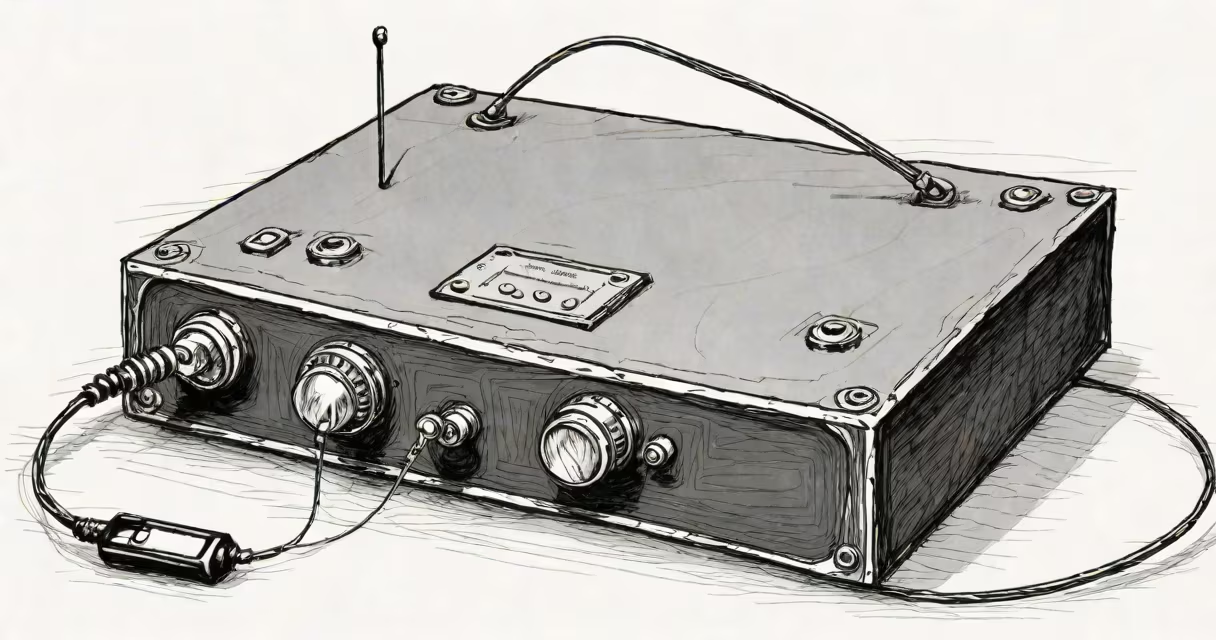
A gsm listening bug is a compact wireless device that secretly records and transmits audio via cellular networks. These covert surveillance tools operate on GSM frequencies used by mobile phones, allowing remote activation and monitoring.
These devices contain microphones, processors, and GSM modules that convert sound into digital signals. The signals transmit to nearby cell towers, reaching operators through standard mobile networks. Some models include motion sensors or voice-activated recording.
| Type | Range | Power Source | Activation Method |
|---|---|---|---|
| Standard GSM Bug | 15-30 meters | 9V battery | Remote call |
| Voice-Activated Model | 10-20 meters | Rechargeable battery | Sound trigger |
| USB Charging Version | 20-40 meters | USB power | Remote call |
Many people confuse gsm listening bugs with traditional wiretaps that require physical connections. Unlike analog bugs, these devices use digital cellular technology, making them harder to detect through conventional methods.
Another myth is that these devices only work near cell towers. In reality, they function anywhere with cellular coverage, including rural areas with weaker signals.
Professional counter-surveillance teams use spectrum analyzers to detect unusual radio frequencies. For personal use, RF detectors can identify active devices within a 10-meter radius.
I once helped a client sweep their office using a handheld RF detector. We found a hidden GSM bug behind a painting, transmitting data to an external server.
The legality of gsm listening bugs varies by country. In the U.S., federal law prohibits intercepting oral communications without consent under the Electronic Communications Privacy Act. Similar regulations exist in the EU under the General Data Protection Regulation.
According to the FBI, unauthorized use of these devices can result in fines up to $500,000 and imprisonment for up to five years.