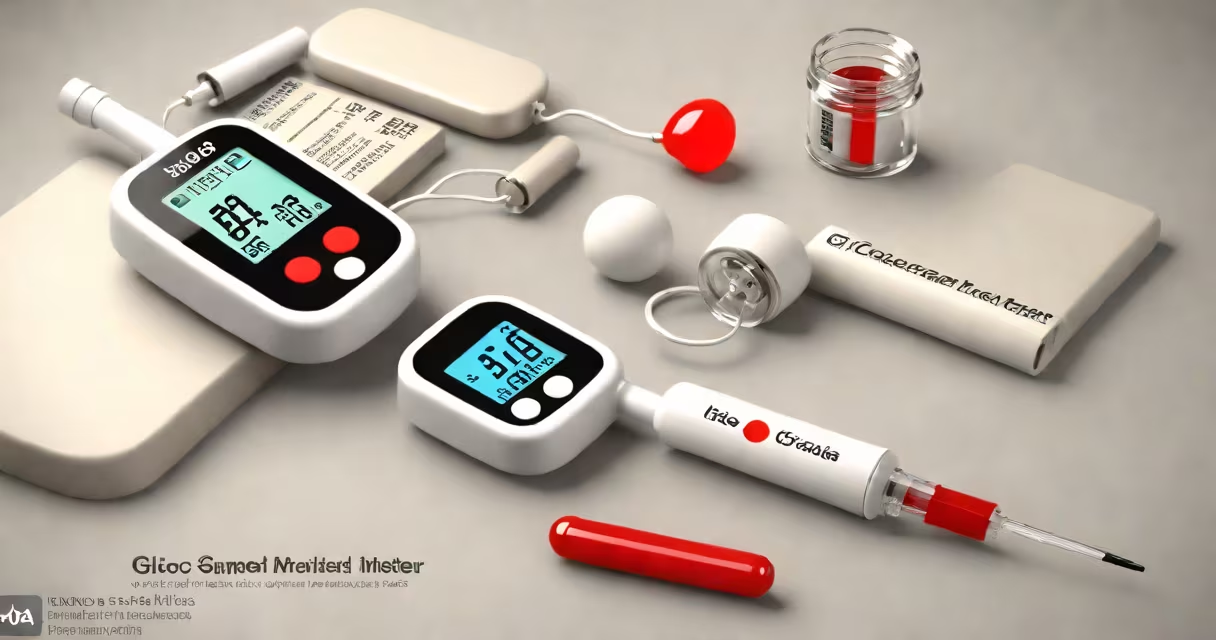
HbA1c valor normal refers to the standard range of glycated hemoglobin levels in blood, which indicates average blood sugar control over 2-3 months. For most people without diabetes, this normal range is between 4% and 5.6%. Values above 6.5% suggest diabetes, while 5.7%-6.4% indicates prediabetes.
HbA1c measures the percentage of hemoglobin molecules bound to glucose. Since red blood cells live about 3 months, this test provides a longer-term view of blood sugar levels compared to daily glucose checks. The test requires no fasting and can be done at any time.
| HbA1c Percentage | Classification | Interpretation |
|---|---|---|
| Below 4% | Low | Possible nutrient deficiencies or rare blood disorders |
| 4%-5.6% | Normal | Good blood sugar control |
| 5.7%-6.4% | Prediabetes | Increased diabetes risk |
| 6.5% or higher | Diabetes | Diagnostic threshold for diabetes |
This test is important for diabetes diagnosis and management. Unlike fingerstick glucose tests that measure immediate blood sugar, HbA1c reflects long-term glucose control. The American Diabetes Association recommends testing at least twice yearly for those with diabetes, and more frequently for those whose treatment has changed or who aren't meeting goals.
A study published in the New England Journal of Medicine showed that intensive glucose control (targeting HbA1c below 7%) reduced diabetes complications by 40%. This demonstrates the importance of maintaining HbA1c within normal ranges.
Many people confuse HbA1c with fasting blood sugar tests. While both measure glucose, they serve different purposes. Fasting blood sugar shows immediate glucose levels, while HbA1c provides a 3-month average. Another misunderstanding is that HbA1c can fluctuate rapidly - in reality, it changes gradually over weeks.
I once worked with a patient who was frustrated by their "high" HbA1c of 6.2%, which actually fell within the normal range. This experience highlighted how important it is for healthcare providers to explain HbA1c results and their significance.
For those with consistently low ferritin levels, understanding how this might affect HbA1c readings is important. Learn more about maintaining normal hemoglobin levels despite iron deficiencies.
When HbA1c values fall in the prediabetic range (5.7%-6.4%), lifestyle interventions can often prevent progression to diabetes. The National Institute of Diabetes and Digestive and Kidney Diseases reports that losing 5-7% of body weight through diet and exercise can reduce diabetes risk by 58% in this group.