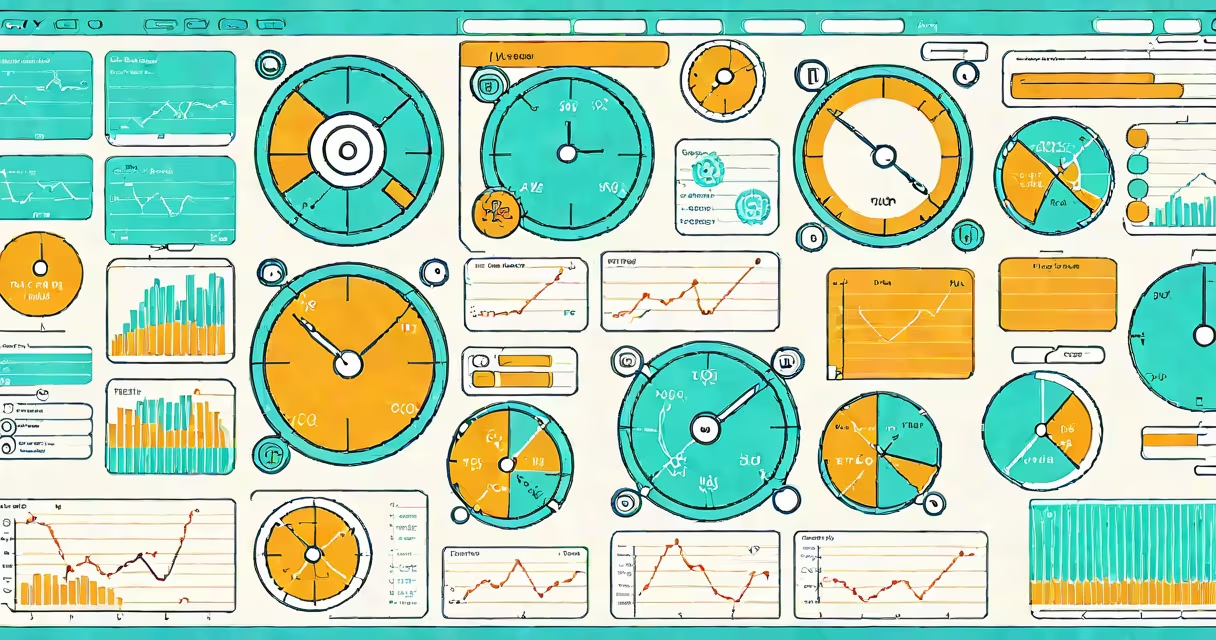
Healthcare business analytics uses data analysis techniques to measure performance, identify trends, and improve decision-making in medical organizations. It combines clinical and administrative data to improve operations and patient outcomes.
Healthcare systems collect vast amounts of data daily. Analytics tools process this information to reveal patterns and insights. For example, analytics might show which treatments produce the best results for specific conditions, allowing doctors to adjust protocols accordingly.
Analytics also tracks operational metrics like patient wait times, staff productivity, and resource utilization. Hospitals use this data to simplify workflows and reduce costs while maintaining high-quality care.
| Type | Focus Area | Example Use Case |
|---|---|---|
| Descriptive Analytics | Past performance | Analyzing readmission rates to identify trends |
| Predictive Analytics | Future trends | Forecasting patient volumes to improve staffing |
| Prescriptive Analytics | Actionable recommendations | Suggesting treatment plans based on patient history |
Healthcare providers use analytics to improve patient care and operational efficiency. For instance, analytics can identify high-risk patients who would benefit from preventive care, reducing hospital readmissions. Administrators use it to manage budgets, allocate resources, and comply with regulations.
Analytics also is important for research. By analyzing large datasets, researchers can discover new insights about diseases and treatments. This accelerates medical advancements and improves patient outcomes.
Many people confuse healthcare business analytics with clinical analytics. While both analyze medical data, business analytics focuses on operational and financial performance, whereas clinical analytics centers on patient care and treatment effectiveness.
Another misconception is that analytics replaces human judgment. In reality, it augments decision-making by providing data-driven insights. Doctors and administrators still make the final calls, using analytics as a tool to inform their choices.
One hospital reduced emergency room wait times by 30% using predictive analytics. The system analyzed historical data to predict patient arrivals during peak hours. Staff scheduled additional nurses during these periods, ensuring timely care. This improved patient satisfaction and operational efficiency.
I witnessed a similar implementation firsthand at a local clinic. They used analytics to track appointment no-shows. By identifying patterns, they adjusted scheduling practices, reducing no-shows by 20%. This freed up time for other patients and increased revenue.
Healthcare organizations face several challenges when adopting analytics. Data privacy and security are top concerns, as medical records contain sensitive information. Compliance with regulations like HIPAA is mandatory, requiring solid cybersecurity measures.
Another challenge is data integration. Medical records come from various sources, including electronic health records (EHRs), billing systems, and wearables. Combining these datasets into a unified analytics platform can be complex and costly.
Healthcare business analytics transforms raw data into valuable insights, improving patient care and operational efficiency. By using analytics, healthcare providers can make informed decisions, reduce costs, and improve outcomes. As technology advances, the role of analytics in healthcare will continue to grow, driving innovation and improving patient experiences.