Hair growth occurs when follicles in the scalp's dermis produce keratin fibers. On average, hair grows 0.5 inches per month, or about 6 inches per year. Factors like genetics, diet, and stress influence growth rates.
Each hair follicle goes through three phases: anagen (growth), catagen (transition), and telogen (resting). The anagen phase lasts 2-7 years, during which hair grows actively. Catagen lasts 2-3 weeks, and telogen lasts around 3 months, after which the cycle repeats.
The American Academy of Dermatology notes that most people have about 100,000 hair follicles on their scalp. Each strand grows for several years, becomes dormant, falls out, and is replaced within 6 months.
| Treatment Type | How It Works | Effectiveness |
|---|---|---|
| Topical Minoxidil | Stimulates hair follicles and increases blood flow | Proven to regrow hair in some users |
| Finasteride | Blocks hormone DHT, which shrinks hair follicles | Effective for male pattern baldness |
| Low-Level Laser Therapy | Uses red light to stimulate follicles | Moderate success in clinical trials |
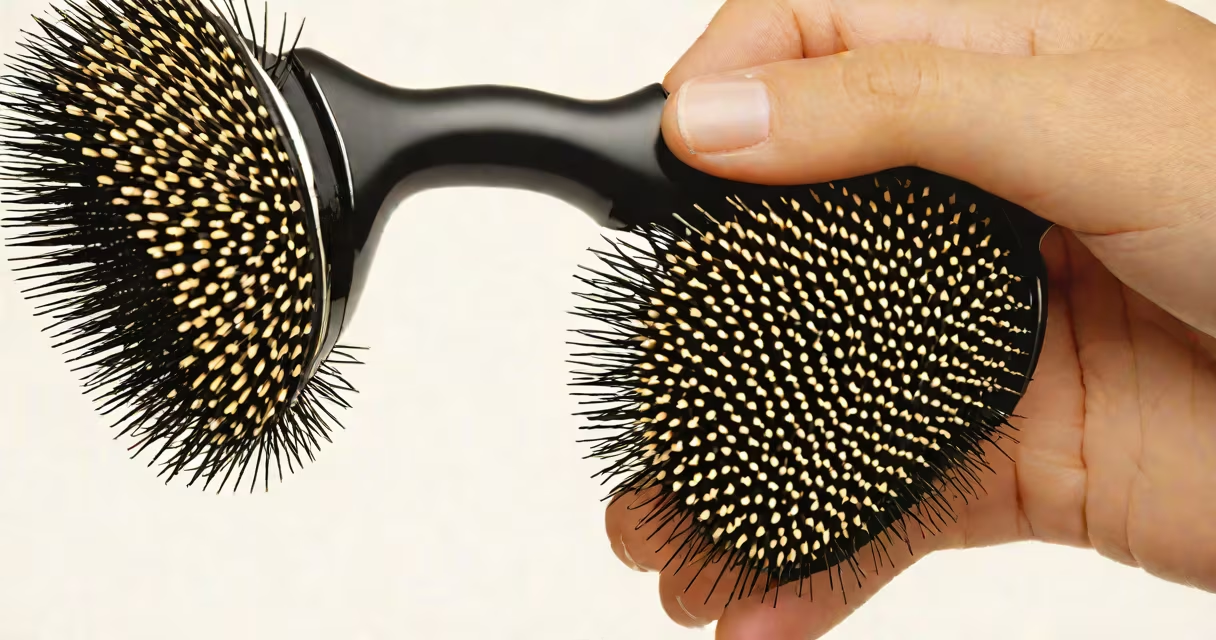
Many believe trimming hair speeds growth, but hair grows from the root, not the tip. Trimming only removes split ends. Another myth is that brushing frequently stimulates growth, but excessive brushing can damage hair.
A common mistake is blaming hair loss solely on genetics. While genetics play a role, factors like poor nutrition, stress, and harsh hair treatments also contribute. Addressing these issues can help maintain healthy hair.
Eating a balanced diet rich in proteins, vitamins, and minerals supports hair health. Biotin, vitamin D, and iron are particularly important. Staying hydrated and reducing stress also promote growth.
I noticed a significant improvement in my hair's thickness and shine after incorporating more leafy greens and nuts into my diet. Reducing processed foods and sugary drinks also helped.
If hair loss is sudden, patchy, or accompanied by itching or pain, consult a dermatologist. Conditions like alopecia areata or scalp infections require medical treatment. For gradual thinning, a doctor can recommend personalized solutions.