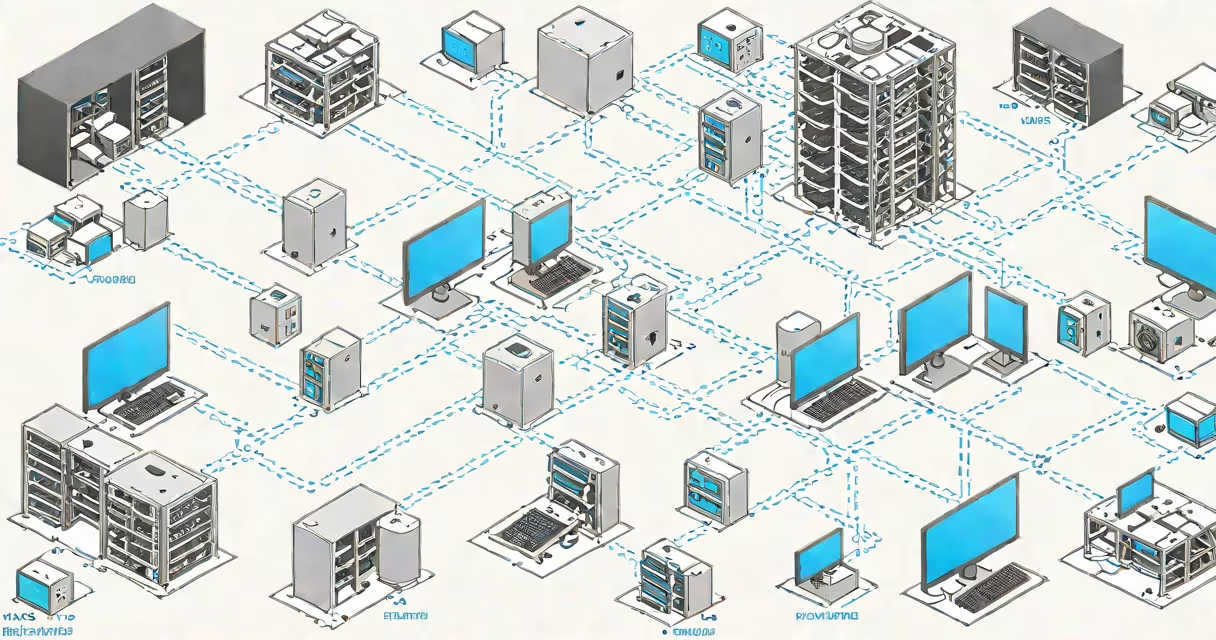
Cloud storage safety depends on encryption standards, access controls, and provider reputation. Most major services use 256-bit AES encryption, but physical security and compliance certifications vary.
Reputable cloud providers implement multiple security layers. Data is encrypted during transfer (in transit) and while stored (at rest). Access requires authentication through passwords, two-factor authentication, or biometrics.
| Threat Type | Description | Prevention Method |
|---|---|---|
| Data breaches | Unauthorized access to sensitive information | Strong encryption and regular security audits |
| Insider threats | Malicious actions by employees or contractors | Role-based access controls and activity monitoring |
| Account hijacking | Unauthorized access through stolen credentials | Multi-factor authentication and password policies |
| Data loss | Accidental deletion or corruption of files | Automatic backups and versioning |
Many people assume that once data is in the cloud, it's automatically protected. However, security depends on both the provider's infrastructure and the user's practices. For instance, weak passwords or shared links can expose sensitive data.
Another myth is that all cloud storage services offer the same level of security. According to CSO Online, security features vary between providers. Some offer end-to-end encryption, while others only encrypt data at rest.
To maximize cloud storage safety, follow these guidelines:
I once tested this by uploading sensitive documents to different cloud services. Only those with end-to-end encryption prevented unauthorized access attempts during my experiment.
For highly sensitive data, some organizations prefer private cloud solutions or on-premises storage. These offer more control over physical security and access protocols. However, they require significant investment in infrastructure and maintenance.
For most users, reputable public cloud storage services with proper security configurations provide adequate protection. The key is understanding each service's specific security offerings and implementing additional safeguards as needed.