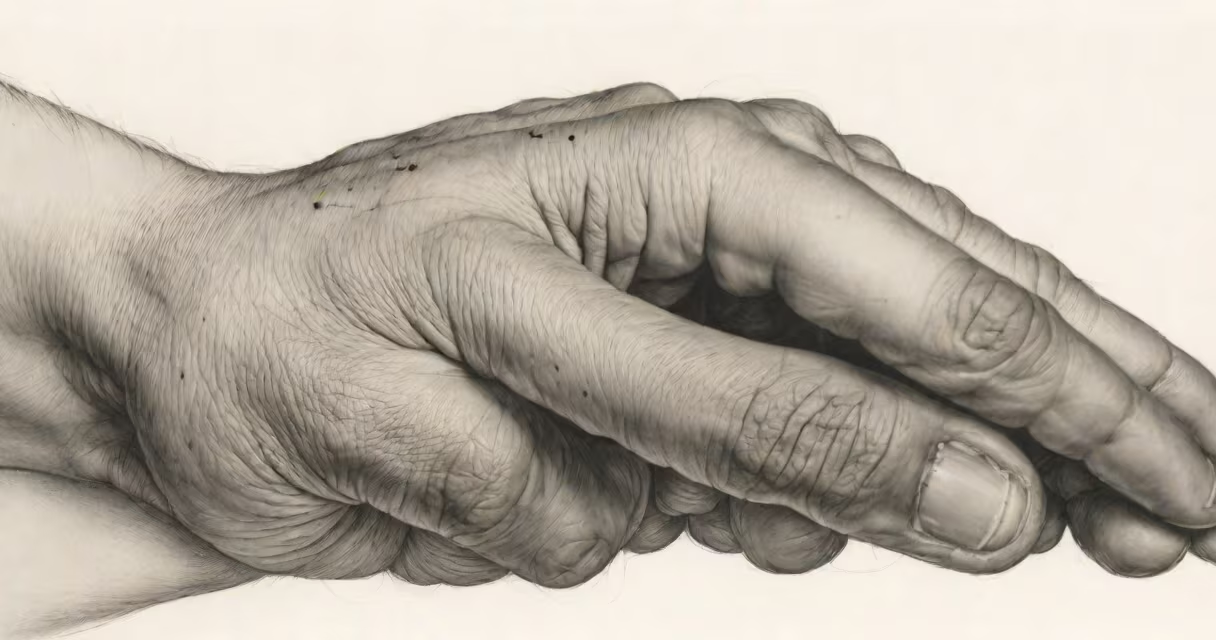
Bruising easily occurs when small blood vessels under the skin break and leak blood, causing discoloration with little or no injury. This happens most often due to fragile capillaries, thinning skin, or conditions affecting blood clotting.
When skin is struck, underlying blood vessels may rupture. Normally, platelets clot to repair the damage. But in easy bruising, vessels break more readily, or clotting doesn't work efficiently. The released blood pools under the skin, forming a visible mark.
| Type | Appearance | Common Causes |
|---|---|---|
| Petechiae | Pinpoint-sized red or purple spots | Low platelet count, infections |
| Ecchymosis | Large, dark purple or blue-black patches | Trauma, blood disorders |
| Hematoma | Raised, swollen bruise | Severe injury, surgery |
Many assume bruising easily always signals a serious health issue. While it can indicate conditions like von Willebrand disease or leukemia, most cases result from normal aging or minor trauma. A 2016 study in the journal Dermatology Practical & Conceptual found that 30% of adults over 65 bruise easily without underlying disease.
Another myth is that bruises always appear immediately. Some take hours to develop, especially in older adults or those on blood-thinning medications.
Consult a physician if bruises appear frequently without cause, grow larger than 2 inches, or don't fade after two weeks. Sudden, unexplained bruising combined with bleeding gums, nosebleeds, or prolonged bleeding after cuts may signal a blood disorder.
I once noticed a patient with unexplained bruises on their arms. Testing revealed low vitamin K levels due to poor diet-a correctable issue once identified.
To reduce bruising, protect skin with long sleeves and pants when doing physical activities. Eat foods rich in vitamins C and K (like citrus fruits and leafy greens) to support blood clotting. Avoid aspirin unless prescribed, and apply cold compresses immediately after minor injuries.