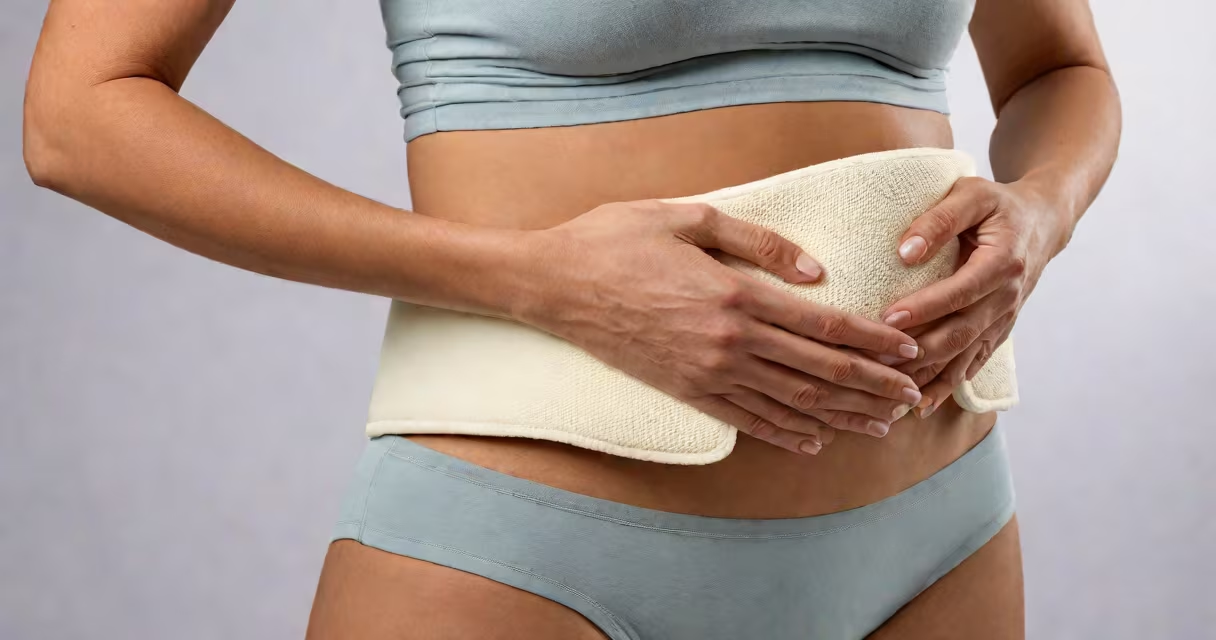
Menstrual cramps occur when the uterus contracts to shed its lining. To reduce cramp pain, apply heat, take over-the-counter pain relievers, stay hydrated, and try gentle exercise.
During menstruation, the uterus contracts to expel its lining. These contractions restrict blood flow, causing tissue damage and inflammation. The body releases prostaglandins, which trigger pain and inflammation.
Cramps vary in intensity and duration. Primary dysmenorrhea is common period pain. Secondary dysmenorrhea results from conditions like endometriosis or fibroids.
| Type | Cause | Duration |
|---|---|---|
| Primary Dysmenorrhea | Normal menstrual cramps | 1-3 days |
| Secondary Dysmenorrhea | Underlying conditions | Entire period |
Apply a heating pad to your lower abdomen for 15-20 minutes. Nonsteroidal anti-inflammatory drugs (NSAIDs) like ibuprofen can reduce prostaglandin production. Stay hydrated and eat foods rich in magnesium, such as leafy greens and nuts.
Gentle exercise, like walking or yoga, can improve blood flow and reduce cramping. Avoid caffeine, alcohol, and salty foods, which can worsen bloating and cramps.
Over-the-counter supplements like calcium, vitamin E, and omega-3 fatty acids may help. Prescription birth control pills regulate hormones and reduce cramping.
Many people think cramps are just part of being a woman. However, severe cramps can indicate underlying conditions like endometriosis or pelvic inflammatory disease. If cramps interfere with daily life, consult a healthcare provider.
Some believe lying down helps, but staying active can actually reduce cramps. Gentle movement increases blood flow and releases endorphins, which act as natural painkillers.
If cramps are severe, last longer than a week, or get worse over time, see a doctor. Other warning signs include fever, unusual vaginal discharge, or nausea and vomiting.
Conditions like endometriosis, fibroids, or adenomyosis can cause severe cramps. A healthcare provider can diagnose these conditions and recommend treatment options.
In rare cases, severe cramps can indicate an ectopic pregnancy or miscarriage. Seek immediate medical attention if cramps are accompanied by heavy bleeding, dizziness, or sharp pain in the lower abdomen.
I once had such bad cramps that I couldn't get out of bed. After applying a heating pad and taking ibuprofen, the pain eased within 20 minutes. Since then, I always keep a heating pad and pain relievers on hand during my period.