High cholesterol in women can be managed through natural methods like diet, exercise, and lifestyle changes. These approaches focus on reducing LDL ("bad" cholesterol) and increasing HDL ("good" cholesterol) without medication.
Women naturally have higher levels of HDL cholesterol than men, which protects them until menopause. After menopause, women's LDL levels often rise, increasing heart disease risk. According to the American Heart Association, nearly half of all Americans have high cholesterol, and women over 55 are especially vulnerable.
A heart-healthy diet is the most effective way to lower cholesterol naturally. Focus on foods rich in soluble fiber, healthy fats, and plant sterols. Soluble fiber binds to cholesterol in the digestive system and removes it from the body. Oats, barley, beans, and fruits like apples and citrus contain soluble fiber.
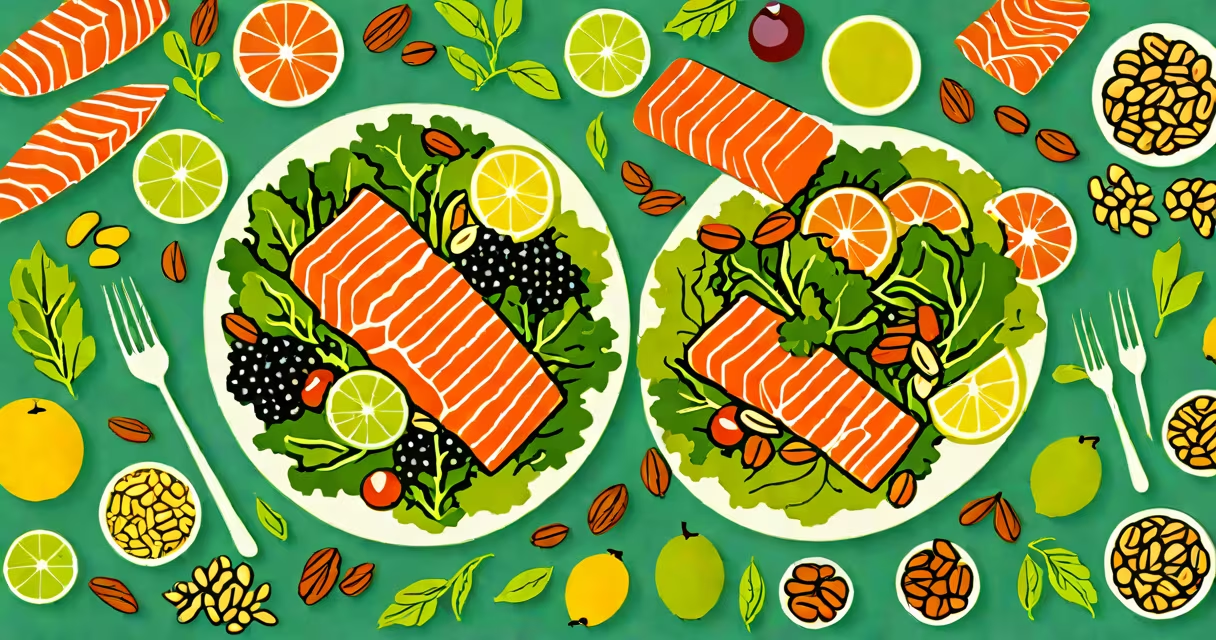
Healthy fats, particularly monounsaturated and polyunsaturated fats, can improve cholesterol levels. Foods like avocados, nuts, seeds, and fatty fish (salmon, mackerel, sardines) are excellent sources. The American Heart Association recommends eating fatty fish at least twice a week.
Plant sterols and stanols, found in fortified foods or supplements, can also lower LDL cholesterol. These compounds block cholesterol absorption in the digestive tract. A study published in the American Journal of Clinical Nutrition found that consuming 2 grams of plant sterols daily can lower LDL cholesterol by about 10%.
Regular physical activity can help raise HDL cholesterol and lower LDL cholesterol. Aim for at least 150 minutes of moderate-intensity exercise or 75 minutes of vigorous exercise per week, as recommended by the U.S. Department of Health and Human Services. Aerobic exercises like brisk walking, cycling, and swimming are particularly effective.
Strength training also plays a role in improving cholesterol levels. A study in the Journal of Applied Physiology found that resistance training increased HDL cholesterol and reduced LDL cholesterol in postmenopausal women. Incorporate strength training exercises at least two days a week.
Losing excess weight can improve cholesterol levels. Even a modest weight loss of 5-10% of body weight can lower LDL cholesterol and increase HDL cholesterol. Focus on sustainable changes rather than extreme diets.
Quitting smoking is important for heart health. Smoking lowers HDL cholesterol and damages blood vessels, increasing the risk of heart disease. The Centers for Disease Control and Prevention (CDC) reports that within a year of quitting, HDL cholesterol levels can increase by as much as 10%.
Managing stress is another important factor. Chronic stress can contribute to high cholesterol levels. Techniques like meditation, yoga, and deep breathing exercises can help reduce stress and improve heart health.
Incorporate these cholesterol-lowering foods into your diet:
Regular cholesterol checks are essential, especially for women over 45. A lipid profile test measures total cholesterol, LDL, HDL, and triglycerides. The National Cholesterol Education Program recommends getting tested every 4-6 years for adults over 20, or more frequently if risk factors are present.
Natural methods to lower cholesterol in women are effective and sustainable. By adopting a heart-healthy diet, engaging in regular exercise, and making positive lifestyle changes, women can improve their cholesterol levels and reduce the risk of heart disease.