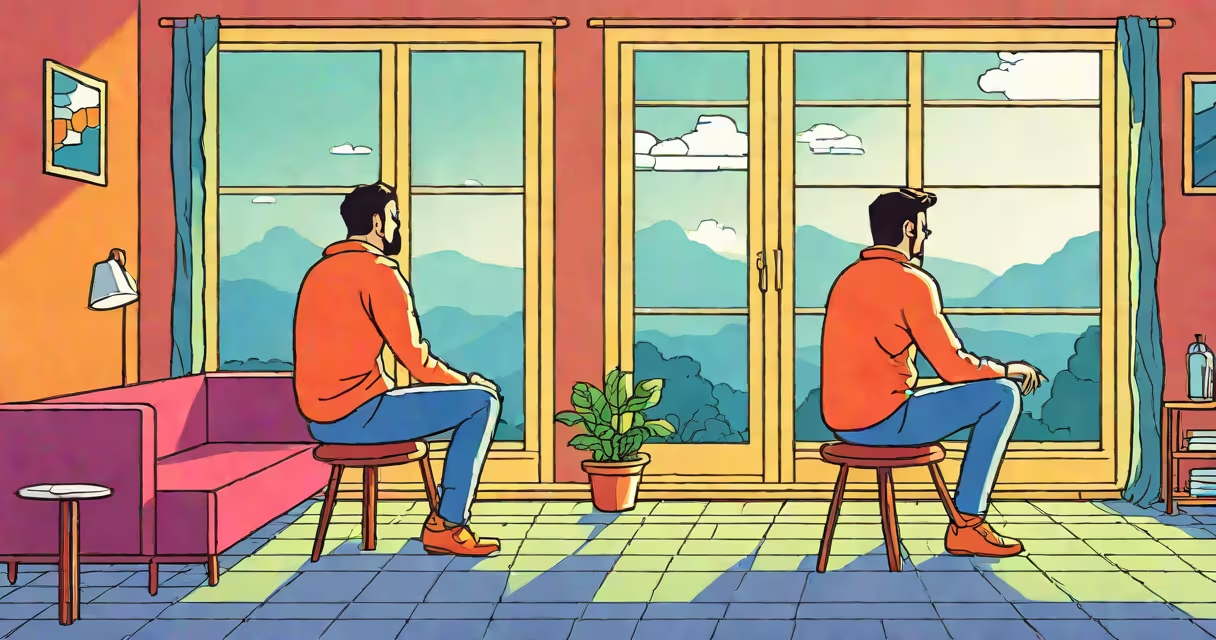
Feeling lonely and single means experiencing emotional isolation despite being unmarried or unattached. This common human experience often stems from a lack of meaningful connections rather than being alone physically.
Loneliness is a subjective feeling of disconnection, while being alone is a physical state. You can feel lonely in a crowd or content while living alone. The key difference lies in your emotional state versus your physical surroundings.
| Type | Description | Example |
|---|---|---|
| Situational | Triggered by specific events or life changes | Moving to a new city without friends nearby |
| Chronic | Long-term feelings of isolation | Feeling disconnected from others for months or years |
| Social | Lack of a supportive social network | Having few close friends or family members to confide in |
Single people often face societal pressure to couple up, which can amplify feelings of loneliness., cultural narratives around relationships may make single individuals feel like they're missing out on something essential. However, research shows that relationship status doesn't necessarily correlate with happiness or life satisfaction.
Many people believe that loneliness only affects single individuals, but this is untrue. Married people can also feel lonely if their relationships lack emotional intimacy. Another misconception is that loneliness is always negative; some people use solitude for personal growth and self-reflection.
First, acknowledge your feelings without judgment. Then, focus on building meaningful connections, whether through friendships, hobbies, or community involvement. Engaging in activities you enjoy can also help shift your focus away from loneliness.
If feelings of loneliness persist, consider speaking with a mental health professional. They can provide strategies tailored to your situation. Remember, feeling lonely and single is a common experience, and seeking support is a sign of strength, not weakness.