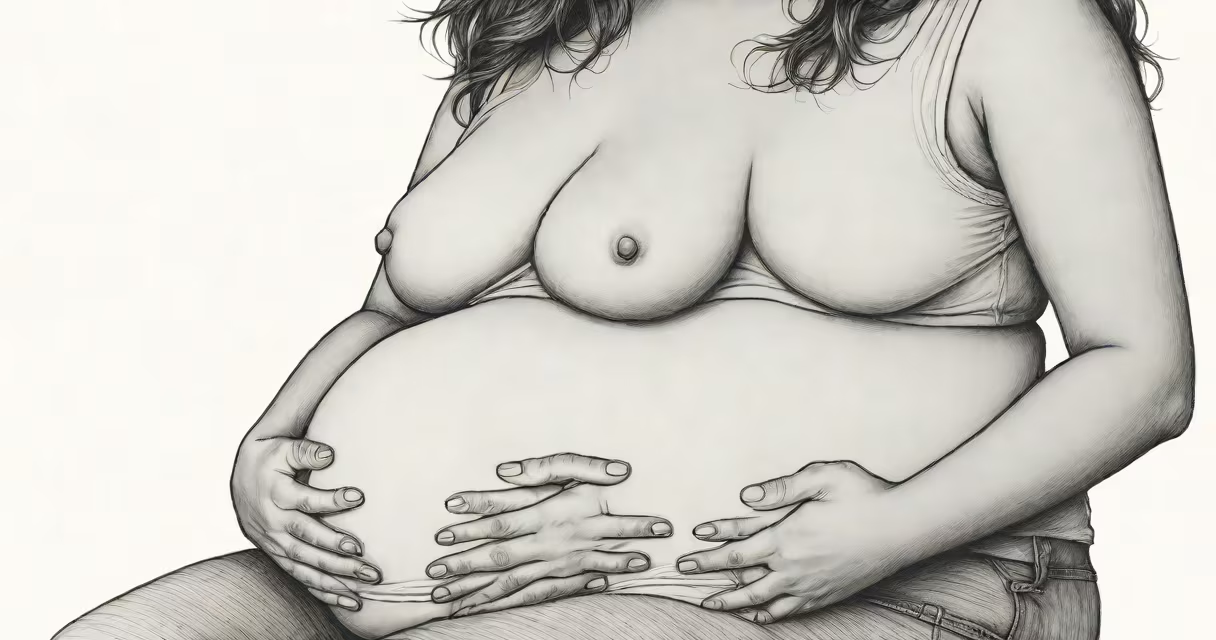
Bloating and nausea are common in early pregnancy, but they can also result from other conditions. These symptoms often appear 1-2 weeks after conception, as the fertilized egg implants in the uterus.
The hormone human chorionic gonadotropin (hCG) rises rapidly after implantation, slowing digestion and increasing stomach acid. This creates pressure and discomfort. Progesterone also relaxes uterine muscles, which can lead to gas and bloating.
Nausea during pregnancy typically falls into three categories:
While bloating and nausea can indicate pregnancy, other conditions share these symptoms. A missed period combined with these signs increases the likelihood of pregnancy. However, digestive issues, food intolerances, or infections could also be the cause.
If you experience severe pain, blood in vomit, or dehydration, seek medical attention immediately. These could signal conditions unrelated to pregnancy, such as appendicitis or gallbladder problems.
Sarah, 32, noticed bloating and nausea two weeks after unprotected sex. She took a pregnancy test, which was positive. Her symptoms worsened in the morning but improved by afternoon. Her doctor confirmed the pregnancy, attributing the symptoms to hormonal changes.
Take a pregnancy test if your period is late and you experience bloating, nausea, or other early symptoms. If the test is positive, schedule a prenatal appointment. If negative but symptoms persist, consult a healthcare provider to rule out other conditions.
If bloating and nausea occur without a missed period, consider other causes. Food intolerances, such as lactose or gluten sensitivity, can trigger these symptoms. Keeping a food diary may help identify triggers. If symptoms persist, consult a doctor to discuss testing for conditions like irritable bowel syndrome (IBS) or gastrointestinal infections.