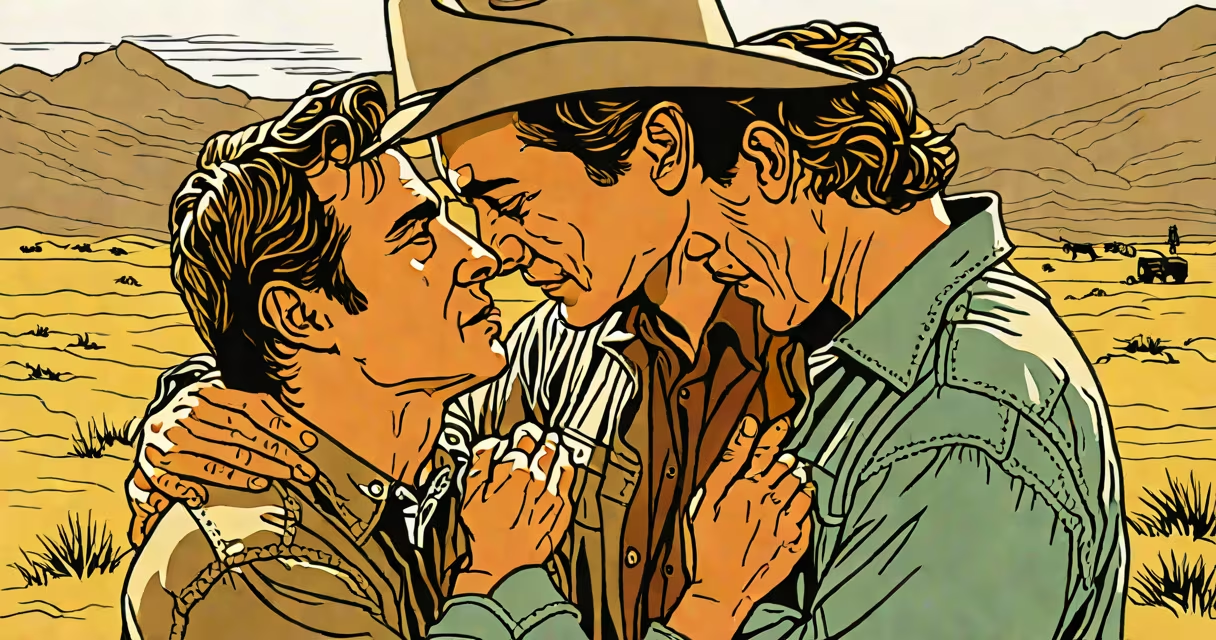
"I wish I knew how to quit you" is a line from the 2005 film Brokeback Mountain, spoken by Jack Twist (Jake Gyllenhaal) to Ennis Del Mar (Heath Ledger). It expresses the painful struggle of trying to end a love that feels impossible to leave.
The phrase is a twist on the common idiom "I wish I knew how to quit smoking," which reflects the difficulty of breaking an addiction. Here, Jack uses it to describe his inability to quit loving Ennis, despite the societal pressures and personal turmoil their relationship causes.
This line falls under several categories:
The line is used in scenes where Jack is trying to convince Ennis to stay together. It's also frequently quoted in discussions about love, heartbreak, and the struggles of LGBTQ+ relationships. The phrase resonates because it captures a universal human experience-the difficulty of letting go of something deeply loved, even when it's harmful.
Some people mistake the line as being about quitting a habit rather than a person. However, the context makes it clear that Jack is talking about his love for Ennis, not an addiction. Others assume the line is only relevant to LGBTQ+ relationships, but its themes of love and loss apply to anyone who has struggled with a difficult breakup.
The line was improvised by Jake Gyllenhaal during filming. Director Ang Lee kept it in the final cut because it perfectly captured the raw emotion of the scene. This improvisation won Gyllenhaal critical acclaim and made the line one of the most memorable in modern cinema.
When I first watched Brokeback Mountain, this line stood out to me because of its simplicity and power. It's a reminder that sometimes the most profound emotions are expressed in the simplest words. The line has since been widely quoted in discussions about love, heartbreak, and the complexities of human relationships.