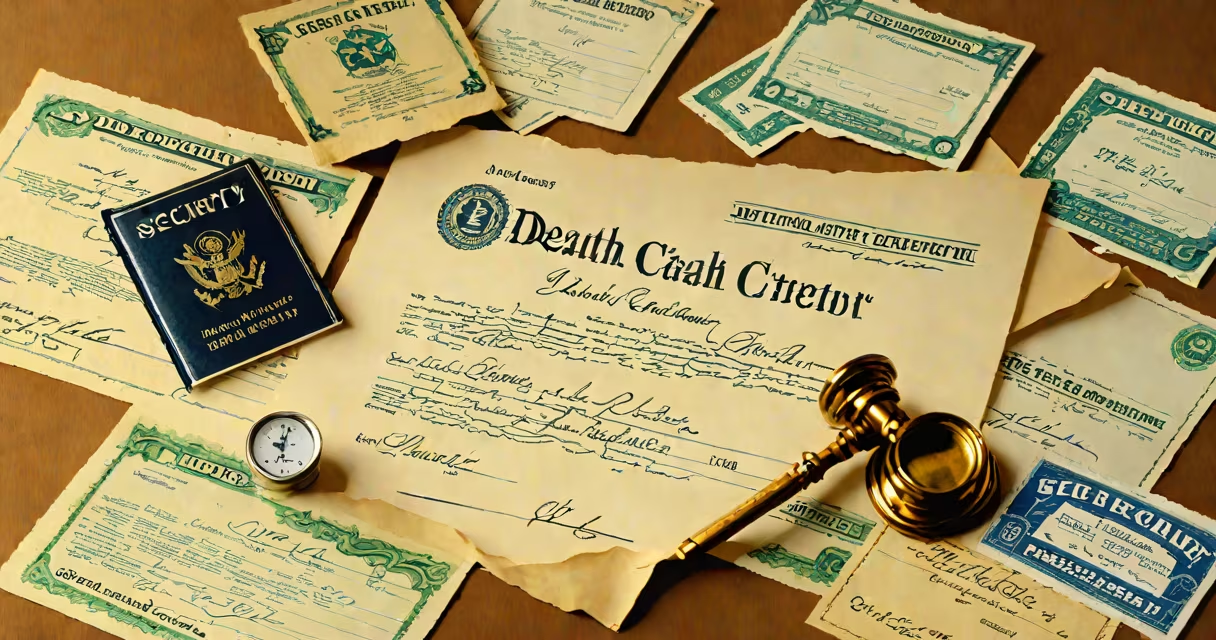
Identity theft of a deceased person occurs when criminals steal personal information from obituaries, public records, or unsecured documents to commit fraud. This crime exploits the lack of monitoring for the deceased, making it easier to exploit their identities.
Fraudsters target recently deceased individuals, using their personal details to open credit accounts, claim benefits, or file tax returns. According to the Federal Trade Commission, reports of identity theft involving deceased individuals have risen by 30% in recent years.
The process typically starts with gathering information from obituaries, which often include full names, dates of birth, and family relationships. Criminals then use this data to impersonate the deceased, applying for loans or credit cards under their name. In some cases, they may even attempt to access the deceased's bank accounts or retirement benefits.
There are several common forms of identity theft targeting the deceased:
Identity theft of a deceased person is particularly prevalent because there is often a delay in notifying creditors and government agencies about the death. This window of opportunity allows fraudsters to exploit the lack of immediate action., many families are unaware of the steps needed to secure their loved one's personal information post-mortem.
For example, in 2020, a criminal used the identity of a deceased individual to claim a $12,000 tax refund. The family only discovered the fraud when they received a notice from the IRS about the suspicious activity.
To prevent identity theft of a deceased person, families should take several steps immediately after a loved one's passing:
In my experience helping a family secure a loved one's estate, we discovered an attempt to open a credit card in the deceased's name. By promptly notifying the credit bureaus and monitoring the credit report, we were able to prevent further fraud.
Many people believe that identity theft only affects the living. However, the deceased are equally vulnerable, especially if their personal information is not properly secured. Another misconception is that reporting the death to one credit bureau automatically updates all three. In reality, each bureau must be notified individually to ensure complete protection.
According to the Identity Theft Resource Center, failure to secure a deceased person's identity can result in significant financial losses for their estate. Families should be proactive in protecting their loved ones' personal information to avoid such outcomes.