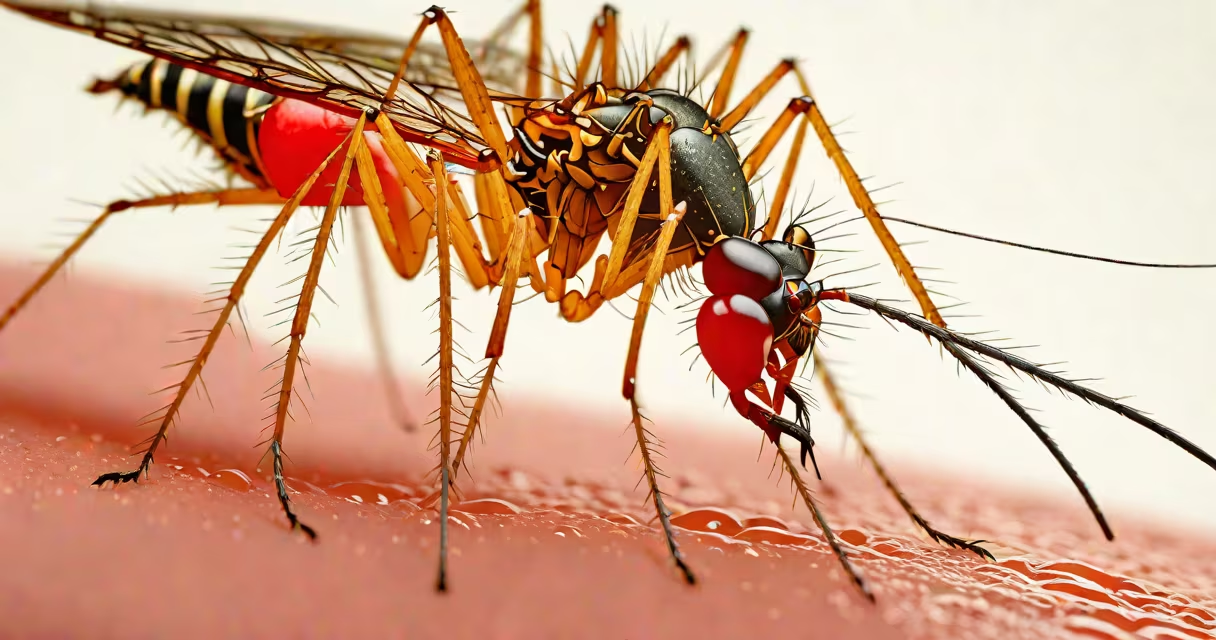
An infected mosquito bite requires immediate cleaning, application of an antiseptic, and sometimes antibiotics to prevent further infection. Most infections occur when bites are scratched, introducing bacteria.
When a mosquito bite becomes infected, the body's immune response causes redness, swelling, warmth, and pus. Treatment focuses on reducing inflammation, eliminating bacteria, and promoting healing. Without proper care, infections can spread to lymph nodes or the bloodstream.
Mosquito bites can become infected with Staphylococcus aureus or Streptococcus pyogenes, common skin bacteria. Rarely, bites may lead to cellulitis, a deeper skin infection requiring oral or intravenous antibiotics.
Treatment is applied directly to the bite site. Scratching introduces bacteria, making infection more likely. People with weakened immune systems or allergies to mosquito saliva are at higher risk.
In tropical regions, mosquito bites may transmit diseases like dengue fever or malaria, requiring specialized medical attention beyond basic infection treatment.
Many people believe all bites will heal on their own, but infected bites worsen without treatment. Another myth is that home remedies like vinegar or baking soda are enough-while they may soothe itching, they don't replace proper antiseptic care.
If a bite becomes red, swollen, and painful within 24 hours, wash the area with soap and water. Apply an over-the-counter antibiotic ointment like Neosporin. Cover with a bandage and monitor for worsening symptoms. If red streaks appear or fever develops, seek medical advice immediately.
I once treated an infected bite by cleaning it thoroughly, applying hydrocortisone cream to reduce itching, and using an antibiotic ointment. The infection cleared within three days, but I avoided scratching to prevent reinfection.
For severe cases, doctors may prescribe oral antibiotics like cephalexin. In rare instances, intravenous antibiotics are needed for systemic infections.