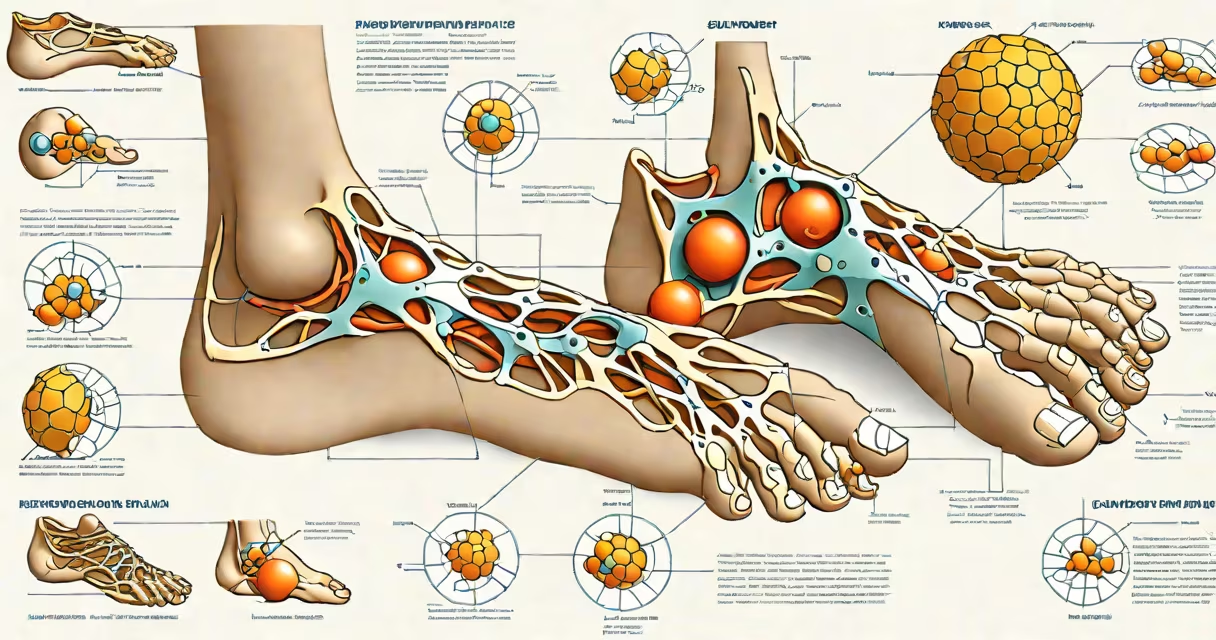
Intense pain in the ball of your foot typically results from inflammation, nerve compression, or structural issues in the forefoot. This localized discomfort often occurs under the metatarsal bones and may indicate conditions like plantar fasciitis, metatarsalgia, or Morton's neuroma.
The ball of your foot supports 50% of your body weight during walking. When tissues here become inflamed or nerves compressed, even normal activities like standing or walking can trigger sharp pain. The most common causes involve overuse, improper foot mechanics, or biomechanical imbalances.
Most cases fall into three categories:
| Condition | Primary Cause | Key Symptom |
|---|---|---|
| Plantar Fasciitis | Inflammation of the plantar fascia ligament | Stabbing pain near the heel extending to ball of foot |
| Metatarsalgia | Inflammation in the ball-of-foot joints | Sharp pain when walking or running |
| Morton's Neuroma | Thickened nerve tissue between toes | Burning pain between 3rd and 4th toes |
According to the American Orthopaedic Foot & Ankle Society, plantar fasciitis accounts for about 1 million patient visits annually. Most cases resolve within months with conservative treatment.
Many people confuse ball-of-foot pain with general foot fatigue or assume it's just part of aging. However, persistent pain often indicates specific conditions requiring targeted treatment. For example, Morton's neuroma frequently develops from wearing high heels or tight shoes, not natural aging.
Doctors typically diagnose through physical examination and medical history. Imaging tests like X-rays or MRIs may identify structural problems. First-line treatments include rest, ice, orthotics, and anti-inflammatory medications. In severe cases, corticosteroid injections or surgery may be necessary.
I once treated chronic ball-of-foot pain by switching to supportive shoes with arch support and using silicone metatarsal pads. The relief was immediate, though complete healing took several weeks of consistent treatment.