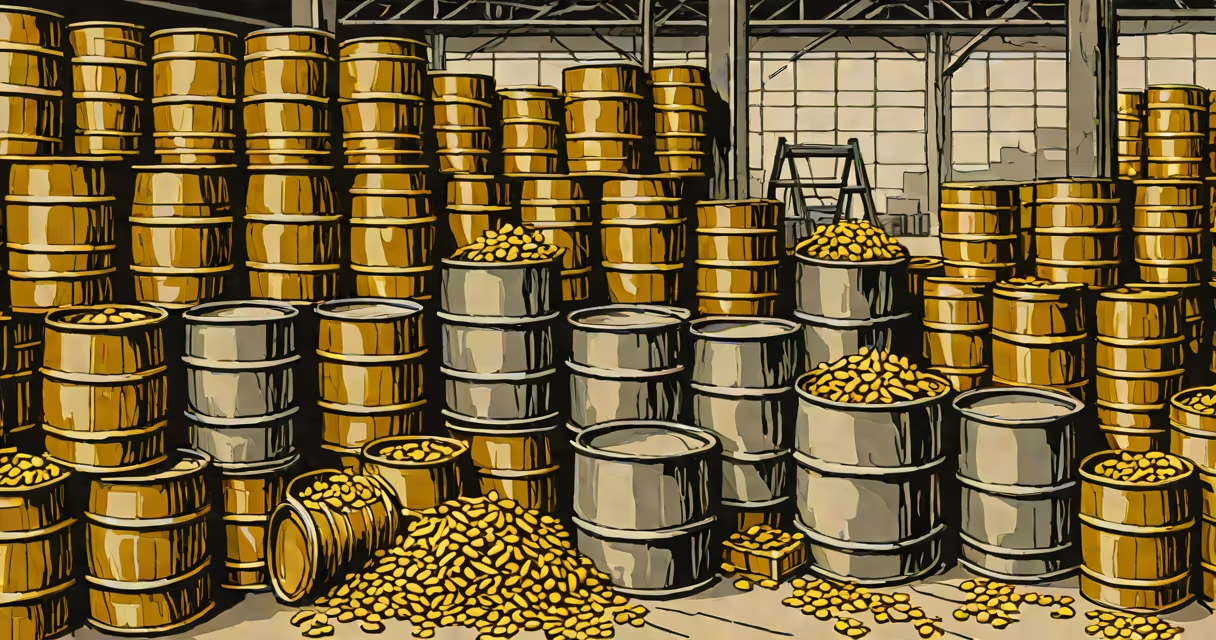
Investing in commodities means buying physical goods like oil, gold, or wheat, or trading financial instruments tied to their prices. This strategy diversifies portfolios and hedges against inflation.
Commodities represent tangible assets used in production or consumption. Unlike stocks, they don't generate income but gain value based on supply, demand, and economic conditions. Investors profit from price movements through direct ownership or financial products.
| Category | Examples | Key Drivers |
|---|---|---|
| Energy | Crude oil, natural gas, gasoline | Geopolitical events, production levels, weather |
| Metals | Gold, silver, copper, platinum | Industrial demand, inflation expectations, currency fluctuations |
| Agriculture | Corn, wheat, soybeans, coffee, cattle | Weather patterns, crop yields, global demand |
Investors access commodities through several methods:
When I first explored commodities investing, I started with a gold ETF. It provided easy exposure to gold prices without dealing with physical storage or futures contracts. Later, I added a small position in a lithium producer, as lithium demand grows with electric vehicle adoption.
Commodities offer several benefits for investors:
A common misconception is that commodities always outperform during inflation. While they often do, performance varies by commodity and economic conditions. For example, during the 2008 financial crisis, oil prices initially surged but later collapsed as demand dropped.
Commodities investing carries unique risks:
According to the U.S. Commodity Futures Trading Commission, commodity trading volume reached $269 trillion in 2022, highlighting the market's liquidity and global participation.
To begin investing in commodities:
Commodities investing provides a useful tool for diversification and inflation protection. By understanding the different types, investment methods, and associated risks, investors can strategically add commodities to their portfolios.