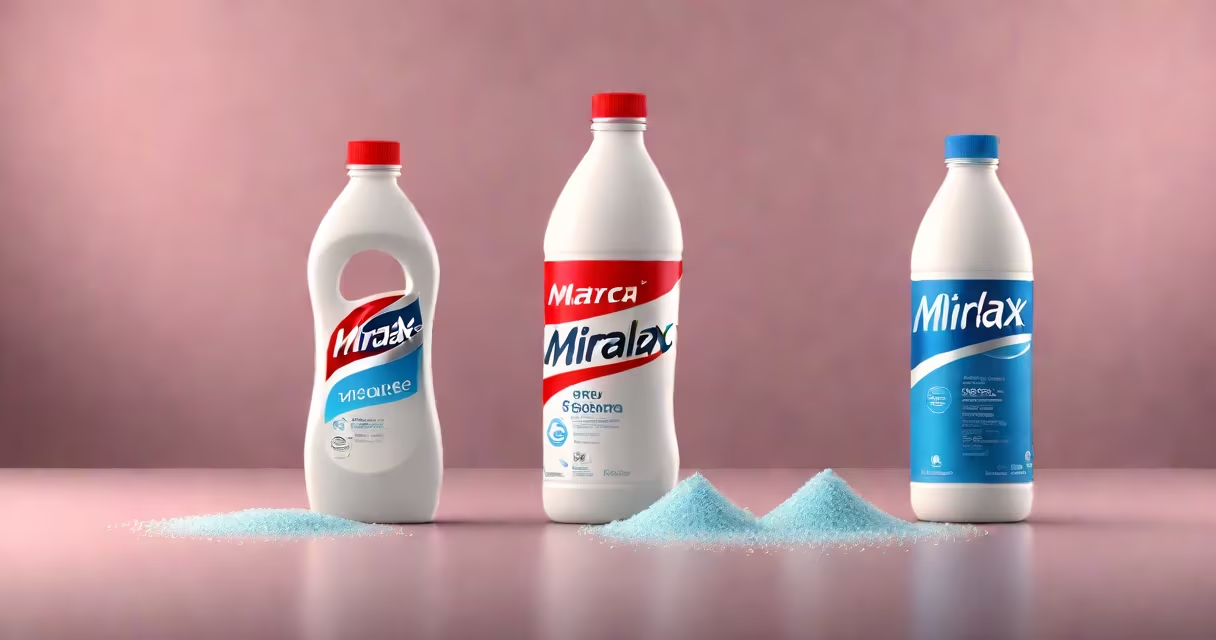
Miralax is an osmotic laxative that softens stool by drawing water into the intestines. It's FDA-approved for short-term constipation relief.
Miralax contains polyethylene glycol (PEG), a non-absorbable compound that retains water in the colon. This increases stool moisture, making it easier to pass. Unlike stimulant laxatives, Miralax doesn't irritate the gut lining or cause cramping.
| Type | Examples | How It Works |
|---|---|---|
| Bulk-forming | Psyllium (Metamucil) | Absorbs water, swelling to form bulkier stool |
| Stimulant | Bisacodyl (Dulcolax) | Triggers intestinal contractions |
| Osmotic (like Miralax) | Polyethylene glycol (Miralax), lactulose | Retains water in the colon |
| Lubricant | Mineral oil | Coats stool to ease passage |
Doctors recommend Miralax for occasional constipation. It's often prescribed before colonoscopies to clear the bowel. The typical dose is 17 grams (one capful) mixed in 8 ounces of water, taken once daily. Results usually appear within 24-72 hours.
Some people confuse Miralax with stimulant laxatives, which work faster but may cause dependency. Miralax is generally safer for long-term use under medical supervision. However, it's not intended for daily use without consulting a doctor.
I tested Miralax during a bout of travel-related constipation. After mixing the powder with water and drinking it before bed, I noticed softer stools the next morning-no cramps or urgency. It worked as expected, but I wouldn't use it regularly.
Miralax is a stool softener that effectively relieves constipation by retaining water in the intestines. It's safe for short-term use but shouldn't replace dietary changes or long-term solutions like fiber intake and hydration.