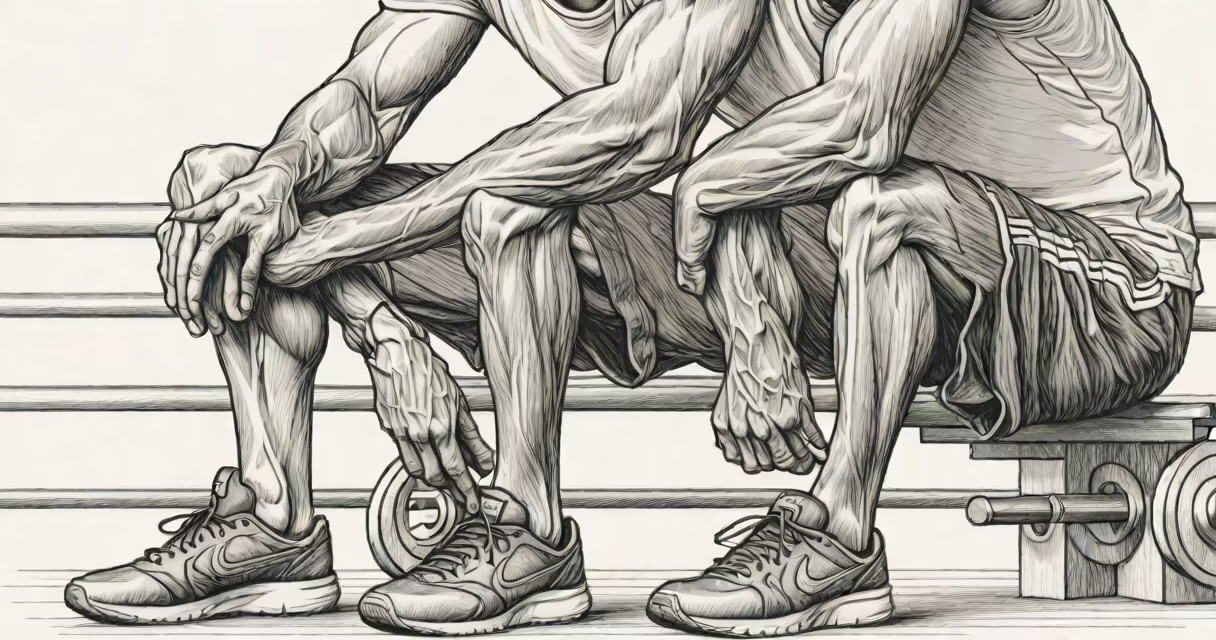
Knee pain after gym workouts often results from overuse, improper form, or sudden impacts. It ranges from mild discomfort to severe swelling requiring medical attention.
Most cases stem from repetitive stress or trauma during exercises like squats, lunges, or running. Poor alignment, weak muscles, or previous injuries also contribute.
Overloading the knees with heavy weights or excessive reps strains tendons and ligaments. Sudden direction changes in sports like basketball or soccer increase injury risk.
A study in the Journal of Athletic Training found that 40% of gym-related knee injuries involve the anterior cruciate ligament (ACL) due to improper landing mechanics.
| Type | Symptoms | Common Exercises |
|---|---|---|
| Patellofemoral Pain Syndrome | Dull ache behind kneecap | Squats, cycling |
| Meniscus Tear | Sharp pain, swelling | Deep lunges, pivoting |
| Tendonitis | Tenderness near joint | Running, jumping |
Consult a physician if pain persists beyond 48 hours, limits mobility, or causes instability. Severe swelling, bruising, or inability to bear weight require immediate evaluation.
I once ignored persistent knee pain after leg day. Two weeks later, an MRI revealed a partial meniscus tear requiring physical therapy. Early intervention could have prevented months of recovery.
Rest, ice, compression, and elevation (RICE) reduce inflammation. Over-the-counter anti-inflammatory medications help manage pain.
For chronic issues, gentle stretching and strengthening exercises rebuild supporting muscles. Physical therapists design programs targeting imbalances.
Avoid high-impact activities until pain subsides. Gradually reintroduce workouts with proper form and lighter weights.
Warm up with changing stretches before workouts. Focus on quadriceps, hamstrings, and glutes to stabilize the knee joint.
Use proper technique during weightlifting. Keep knees aligned with toes during squats and avoid locking them during extensions.
Wear supportive footwear with cushioned soles. Replace worn-out shoes to prevent uneven pressure distribution.
Incorporate low-impact cardio like swimming or cycling into routines. These build endurance without stressing joints.
Listen to your body. Discomfort during exercise signals potential injury-stop and assess form before continuing.
Many assume knee pain always results from acute injuries. Chronic overuse accounts for 60% of cases, according to the American Academy of Orthopaedic Surgeons.
Another myth suggests pushing through pain builds resilience. This often worsens damage and prolongs recovery times.